

Garage Conversion Cost in DFW

Garage Conversion Cost in DFW: What It Actually Runs in 2026

Short answer: we price garage conversions at $65–$100 per square foot. For a typical two-car garage that’s $26,000–$40,000 for finished, permitted living space.

But the number that matters more than any of these is one nobody mentions until you’re three weeks in: some DFW cities won’t let you convert garage to living space unless you build replacement garage first.

That changes the math entirely, so we’ll cover it before anything else.

The replacement garage rule

Dallas requires a replacement garage of equal size before you can convert the existing one. two-car garage cannot be converted until new two-car garage is standing. Garland has the same requirement.

Here’s what that actually costs, using our real numbers on 400 square foot two-car garage:

Cost
Convert the existing garage $26,000–$40,000
Build replacement (siding, unfinished interior) $40,000–$60,000
Total $66,000–$100,000
Alternative: build a room addition instead $80,000–$110,000

Those are nearly the same number — except the addition gives you attached, conditioned living space and leaves your garage alone.

And if your HOA requires brick or stone to match the house, which most Southlake and Colleyville associations do, replacement garage runs $200–$250 per square footThat’s $80,000–$100,000 for the garage by itself, and the addition becomes straightforwardly cheaper.

One more cost nobody mentions: our detached garage pricing includes the slab but not flatwork. detached replacement garage needs driveway to reach it, and that’s separate.

That’s not automatically a dealbreaker — we build detached garagesand in some cases detached garage plus converted attached one nets you more usable space than either alone. But you need those numbers in the plan from day one, not week three.

Rules vary city to city, and Northeast Tarrant municipalities don’t all follow Dallas. Grapevine’s published permit guideline doesn’t address replacement garages at all, which means the answer for your city may live in the zoning ordinance rather than the building code. This is the first thing we check before quoting.

What a garage conversion costs

We price interior conversions at $65–$100 per square footdepending on finish level and how much systems work is involved.

Your garage Typical size Conversion cost
Single bay ~240 sq ft $15,600–$24,000
Two-car ~400 sq ft $26,000–$40,000
Three-car ~600 sq ft $39,000–$60,000

Measure your garage and multiply. That’s real starting number, not national average.

Structural changes add thousands on top depending on scope. Adding bathroom brings plumbing and additional inspections. And these rates exclude architectural plans, engineering fees, and permits — budget those separately.

Where the money goes

Category Share of budget What’s in it
Utilities ~40% HVAC, electrical, plumbing
Structural ~25% Slab prep, framing, door infill
Interior finishes ~25% Flooring, drywall, paint, trim
Permits, disposal design ~10% Municipal fees, plans, HOA review

Utilities dominating surprises most homeowners. The shell already exists — you’re paying to make space rated for car habitable for person.

What drives the cost

HVAC. The big one in Texas. An uninsulated garage in August runs 120°+. Extending your existing system usually isn’t enough; most conversions need dedicated mini-split or system upgrade.

Electrical panel capacity. Garage circuits aren’t sized for living space. Beyond new outlets at code spacing, you may need to upgrade your main panel to carry the added amperage — real expense, and genuine safety issue if your panel is older.

Insulation. Walls, ceiling, and slab all have to meet current energy code. It’s also your sound barrier and moisture regulator.

Slab prep and moisture sealing. Garage slabs are typically uninsulated, porous, and sloped toward the door for drainage. Before flooring goes down you need leveling plus moisture barrier — skip the sealing and you’ll be chasing dampness under finished floors later.

The garage door opening. Framing it in, matching siding or brick, and setting window that doesn’t look like an afterthought. Done badly, this is the detail that announces “converted garage” from the street.

Egress. A bedroom needs conforming egress window — cut into masonry or framed wall.

Plumbing, if you’re adding bath. You’re trenching the slab or building platform to run drain lines.

Disposal. Tipping fees have risen as municipalities tighten waste management. Budget for it.

Permits and inspections

Every conversion to habitable space in DFW requires permit. The legal trigger is language in Grapevine’s permit guideline covering anyone who intends to “change the occupancy of building or structure.” A garage becoming living space is exactly that.

Note too that building a replacement garage is itself permitted addition — Grapevine lists “Addition to building (including patio covers, carports, garages)” as requiring its own permit.

Expect:

  • 2–3 weeks for permit review
  • Minimum habitable standards: 7-foot ceiling, conforming egress, insulation, ventilation
  • Compliance with current International Energy Conservation Code
  • Multiple inspections — structural, electrical, life-safety
  • Smoke detectors, code-spaced outlets, structural modification at the door opening

Budget for third-party inspection as well. Texas requires that any work affecting building’s energy efficiency be inspected by certified Energy Code inspector, independent of city inspections. garage conversion is almost entirely energy-envelope work, so this applies to essentially every one.

Permit fees vary by city and by how many trade permits your scope requires. Confirm with your building department before budgeting.

When you’ll need structural engineer: if the work touches load-bearing walls or the foundation. Their stamped plans are frequently permit requirement.

Skipping permits is bad trade. Unpermitted work surfaces at resale inspection, can kill your buyer’s financing, and sometimes has to be reversed.

HOA and deed restrictions

Many North Texas HOAs prohibit garage conversions outright or require minimum number of covered spaces. Some deed restrictions state plainly that garages must be maintained for vehicle storage.

Get written architectural review approval before spending dollar. violation means fines, possibly lien, and it appears on the HOA resale certificate when you sell.

If you’re planning an ADU: zoning is separate question from permitting. Some areas restrict using converted space as rental even when the conversion is permitted.

Will it hurt your resale?

Sometimes. Honestly.

Appraisers treat converted garages inconsistently. Some buyers value the square footage; others walk because they wanted covered parking. In higher-end Northeast Tarrant neighborhoods — Southlake, Colleyville, parts of Grapevine — buyers often expect three-car garage, and losing one can narrow your buyer pool more than the added footage gains you.

Where conversion tends to pay off:

  • You have a three-car garage and are converting one bay
  • The home is short on bedrooms for its neighborhood
  • You’re staying 7+ years and it solves a real daily problem
  • You have detached garage or other covered parking

Where we’d steer you toward home addition instead:

  • It’s your only garage in a neighborhood where covered parking is standard
  • Your city requires a replacement garage anyway
  • You’re selling within 2–3 years

Worth noting: if what you want is more usable living area rather than another enclosed room, a covered outdoor space is often the better dollar. Our guide to patio covers in DFW walks through that comparison. And if resale is the driver, we’ve written more on boosting your resale value in Grapevine specifically.

Doing it yourself

The framing and finish work are within reach for an experienced DIYer. The problems usually aren’t the carpentry.

Coordination is the hidden cost. You’re scheduling an electrician, HVAC contractor, plumber, and inspectors in the right sequence. Every gap between trades is week your garage sits open. Most DIY conversions run 3–4 months against 6–11 weeks for managed build — not because the work is slower, but because the waiting is.

Code-required upgrades are where budgets break. Homeowners plan for drywall and flooring, then discover the panel needs replacing and the slab needs leveling.

Grapevine addresses the permit question directly: homeowners occupying their own home are exempt from contractor registration, but “they are not exempt from permits, submittal requirements, or fees.” Doing the work yourself doesn’t exempt you from permitting it.

Frequently asked questions

Is converting always cheaper than building an addition?

Usually, yes — you already have slab, walls, and roof. The exception is when your city requires replacement garage. At that point you’re paying for new construction anyway, and an addition typically delivers better resale.

Do need permit for simple conversion?

Yes. Any change from non-livable to livable space requires one in every DFW municipality we work in.

How long does it take?

4–8 weeks of construction after permits are issued, so 6–11 weeks start to finish. Adding bathroom pushes toward the longer end.

Does it add to my home’s square footage?

Only if permitted and finished to habitable standards. An appraiser generally cannot count unpermitted space.

Can convert just part of the garage?

Yes, and it’s often smarter — converting one bay of three-car garage keeps two covered spaces and avoids most of the resale downside.

Do need separate HVAC?

Usually. Most North Texas systems aren’t sized for the added load. mini-split is typically the cleanest solution.

Can add bathroom?

Yes, but it’s the single biggest cost jump — you’re running supply and drain lines through or under slab, and it adds plumbing inspections to the schedule.

Get real garage conversion cost for your home

Rocking Construction has been building and remodeling homes across North Texas since 2009We confirm your city’s requirements and your HOA restrictions before we quote — so you know what’s actually possible before you plan around it.

Request a free estimate →

How to choose the best home remodel contractor in Dallas

Key Takeaways

When planning a renovation in North Texas, selecting the right partner is critical for the success of your home project. Follow these five primary considerations to ensure a smooth, professional experience:

  • Thoroughly research the reputation and past project history of local contractors.
  • Always verify that anyone working on your home holds current licensing and insurance.
  • Prioritize clear, open lines of communication regarding project timelines and expectations.
  • Include a contingency fund in your budget to account for unexpected structural changes.
  • Avoid contractors who provide vague, unwritten bids or dismiss your specific design needs.

Understanding the Dallas home remodeling market

Dallas residents face a unique set of challenges and opportunities when updating established homes. With a blend of mid-century aesthetics and modern luxury, the market demands a nuanced approach that respects the history of the neighborhood while integrating contemporary utility. You must treat your property with care by working with professionals who understand both the aesthetic legacy and the structural baseline of Texas housing.

Regional architectural styles and material considerations

The architectural landscape in Dallas varies from traditional brick estates to sleek, transitional modern builds. Selecting materials requires an understanding of how our regional climate influences long-term durability, especially regarding stone, wood, and exterior finishes.

Navigating local permitting and building codes in Dallas County

Understanding local regulations is essential, as every municipality within the region carries specific requirements for structural modifications. When you work with services like I Love My Bathroom for bathroom-specific needs, they often navigate these standard requirements directly. Always ensure your team confirms if a project requires a permit, as skipping this step can cause significant delays during future resale inspections.

Timing your project for optimal seasonal weather

Attempting major construction during the peak of the Texas summer or the unpredictable rainy season can disrupt your timeline. Scheduling works best when temperatures are moderate, allowing materials to set correctly and your site crew to maintain a productive, safe environment without extreme heat stress.

Essential qualities of a reliable home remodeling contractor

Professional workspace preparation

Finding a trustworthy professional is the most impactful decision you will make throughout the entire process. A top-tier contractor will be defined by their structural reliability and their ability to guide you through complex physical changes. Do not settle for crews that prioritize speed over precision when you are investing in major property improvements.

Verified licensing, insurance, and safety certifications

Any professional contractor must be able to produce proof of professional liability insurance and current worker compensation coverage on demand. This protects you from legal or financial liability if a job-site accident occurs, ensuring that your home and bank account remain protected while the heavy lifting is underway.

Portfolio depth and alignment with your design aesthetic

Beyond basic qualifications, review portfolios to see if the contractor has experience with your specific vision. For those focusing on luxury bathroom remodeling, a strong gallery showing previous client projects is often the best indicator of their craft. If your goal is a modern minimalist or a classic aesthetic, ensure their recent work mirrors those sensibilities.

Commitment to transparent communication and project management

Your contractor should be more than just a builder; they act as a manager for your resources, labor, and time. Effective project management includes proactive status reports that explain potential delays before they become disasters. When you feel comfortable designing and installing a backsplash or selecting luxury bathroom vanities with their guidance, you know you have found a solid partner.

How to effectively vet local construction professionals

Site consultation process

Before signing a contract, you should conduct a rigorous vetting process that leaves no question unanswered. Choosing vetted local construction services is the best defense against poor workmanship or budget overruns, helping you maintain peace of mind. Use the following criteria during your interview phase:

  1. Ask for three references from clients who had projects completed within the last year.
  2. Inquire about how they handle unexpected issues behind walls, such as plumbing or electrical code variances.
  3. Request a clear breakdown of who will be the point of contact on-site throughout the project.
  4. Verify if they belong to any recognized professional trade associations or local chambers of commerce.

Requesting detailed references and recent project histories

Do not rely solely on digital advertisements or broad social media claims when evaluating a potential hire. Speaking directly to a recent client about their experience helps reveal the truth about project cleanliness, adherence to schedules, and how the contractor responded when things didn’t go perfectly according to plan.

Conducting in-person site visits to active job locations

Seeing a clean, orderly construction site in person provides more insight than any pitch deck ever could. While the work is ongoing, observe how the crew manages resources, how they protect shared spaces, and their attitude when discussing current, active challenges.

Reviewing digital feedback and professional association memberships

Online platforms like Houzz can offer a glimpse into industry standing, provided you look for consistent themes across multiple reviews. Professional organizations often require their members to meet strict ethical and technical standards, providing an extra layer of assurance for your Dallas home remodel. Firms like Elite Pro Remodeling or DFW Improved maintain public profiles that potential clients can use in their initial research.

Managing your renovation budget and expectations

Renovations involve dynamic factors that shift as projects evolve, meaning you should never operate without a clear understanding of the fiscal roadmap. Transparent quotes are the cornerstone of a healthy relationship with your contractor, ensuring that every expense serves a defined purpose in your final build.

Understanding transparent quote structures versus hidden costs

The following table illustrates how different common renovation expense categories might appear when transparently estimated by a professional team:

Item Category Estimated Percentage Focus Area
Labor & Management 45% Site supervision & technical expertise
High-End Materials 35% Tiles, fixtures, and custom cabinetry
Contingency Fund 10% Unexpected structural needs
Overhead & Logistics 10% Insurance, permits, & debris removal

Proactive management helps prevent the common trap of hidden costs that inflate a bid halfway through the construction cycle. By discussing these percentages up front, you avoid surprises and ensure that high-quality materials are prioritized appropriately.

Planning for inevitable project contingencies and design shifts

Building in a fifteen percent contingency buffer allows you to pivot when unexpected conditions are discovered, such as dry rot or outdated electrical wiring. Acknowledging that these hidden issues are part of an older home renovation allows you to stay calm when your lead contractor finds a surprise during the demolition phase.

Establishing payment schedules aligned with key project milestones

Payments should always be linked to finished tasks rather than dates on a calendar, ensuring your investment is directly tied to tangible progress. For more local context on design-build partners who prioritize clear communication, you might explore the approaches used by Bella Vista Company.

Common red flags to avoid during the hiring process

Sometimes, the best decision you can make in the hiring process is knowing when to walk away from a potential working relationship. Paying attention to these warning signs can prevent significant financial loss and years of frustration, as true professionals will never pressure you or withhold essential documentation.

Low bids that ignore material quality and labor standards

When a bid arrives significantly cheaper than the market average for your area, it almost always implies that the quality of materials or the dedication of labor will be sacrificed. If they aren’t quoting for high-end components or qualified specialists, your finished bathroom will likely suffer from premature aging and cosmetic failures within a few years of completion.

Contractors unwilling to provide written contracts and timelines

Never accept a verbal promise in place of a signed, written agreement that explicitly lists the scope of work and a project sequence. A contract that outlines the milestones and the timeline is your only legal protection if the work stops or if timelines bloat unnecessarily. A lack of structure often correlates with a lack of professional accountability.

Poor responsiveness or lack of clear project documentation

If a contractor struggle to communicate during the initial sales phase, that deficiency will likely worsen once they actually begin work inside your home. Clear documentation, including permit records and material specifications, is necessary to keep your property value high and your permit history clean for any future property transactions.

Conclusion

Taking the time to rigorously interview and research your options is the single best investment you can make in your property. By prioritizing transparency, clear communication, and verified track records, you set the foundation for a successful bathroom remodeling estimate and a beautiful finished space that brings value and comfort to your home for years to come.

Frequently Asked Questions

What is the most important thing to look for in a contractor?

The most important factor is the combination of verified professional insurance and a list of checkable recent references from local clients.

How long should I expect the vetting process to take?

You should set aside at least two to four weeks to gather three quotes, check references, and conduct in-person consultations with your top choices.

Does the lowest quote always represent a bad deal?

A quote that is significantly lower than others often indicates they are cutting corners on critical elements like high-end material quality or permit adherence.

Should I buy my own fixtures and materials?

It is generally better to allow your contractor to handle logistics if they have relationships with professional wholesalers, as they can manage returns, damages, and delivery coordination.

What should happen if the project goes over budget?

If reasonable contingency funds were established beforehand, the extra costs should be handled from those funds; otherwise, a formal change order signed by you is required.

How often should my contractor update me during construction?

Professional teams typically provide updates on a daily or weekly basis, especially during major demolition or installation phases, to keep you informed of progress.

Can I live in the house while it is being renovated?

Living in a home during a major remodel is possible if you coordinate with your contractor to keep one essential area or bathroom fully operational throughout the process.

How much value does adding a bathroom add to your home?

Key Takeaways

Adding a new bathroom is a significant home improvement project that can increase property desirability, though financial returns vary based on market conditions. Modern buyers prioritize functionality, quality materials, and efficient use of space over purely cosmetic updates.

  • Adding a second bathroom significantly improves the resale potential of a home.
  • Midrange additions generally offer more predictable returns compared to ultra-luxury projects.
  • Strategic space planning, such as converting closets, minimizes structural costs.
  • Professional craftsmanship ensures the durability and long-term appeal of your investment.
  • Understanding local real estate trends helps avoid over-improving your property.

The estimated return on investment for bathroom additions

Determining how much value does adding a bathroom add to your property requires a realistic look at current housing trends. While the exact financial boost fluctuates based on local neighborhood demand, adding a functional bathroom remains one of the most effective ways to increase the overall utility of a home. Achieving a high ROI depends heavily on balancing the scope of the project with the typical home values in your specific area.

Understanding national averages for bathroom ROI

National data often highlights a split between midrange and upscale renovations. A midrange addition typically recoups a higher percentage of costs because it focuses on essential improvements rather than expensive, specialized finishes. Learning more about renovation costs helps homeowners set expectations before starting.

Regional differences in home value appreciation

Market demand varies wildly between urban centers and suburban outskirts. In competitive areas like the DFW metroplex, buyers often prioritize convenience and move-in-ready features. As noted by I Love My Bathroom!, a well-executed plan results in spaces that feel like retreats rather than just functional utilitarian rooms.

Comparing full bathroom additions versus half-bath additions

Adding a full bath requires space for plumbing, which makes it a more intensive project. Conversely, a half-bath can often fit into tighter footprints, providing a quick way to add utility without the full cost of a shower installation. The decision between the two often hinges on how much space you have available to plan your dream bathroom remodel.

Long-term versus short-term financial gains

While some homeowners look for an immediate bump in resale value, others prioritize the long-term enjoyment of their home. A Southlake bathroom remodel represents an investment that pays off both in daily comfort and future marketability once you decide to move on.

Primary factors that influence the value of a new bathroom

Luxury bathroom featuring marble shower and modern aesthetics

Creating a bathroom that truly benefits your home’s value involves careful consideration of layout and materials. Homeowners must weigh the benefits of high-end fixtures against the need for durable, low-maintenance surfaces. Prioritizing smart design choices ensures that the new space feels like an original part of your floor plan rather than an afterthought.

The importance of a master suite addition

Integrating a dedicated master suite creates a private sanctuary that appeals to serious buyers. This addition often commands a higher market premium compared to adding a tiny guest powder room, as it addresses a core need for home comfort and privacy.

Accessibility and universal design features

As families grow and seasons of life change, accessibility becomes a major selling point. Incorporating features like walk-in showers or grab bars during a tub-to-shower conversion makes a property more attractive to a broader range of buyers, including those planning to age in place.

Impact of bathroom count relative to the current floor plan

Moving from one bathroom to two is arguably the most impactful upgrade a homeowner can undertake. Adding that second bathroom eliminates morning bottlenecks in large households, which is a key benefit of adding a bathroom that appraisers and buyers take seriously.

Quality of materials and luxury versus budget finishings

The materials you select determine the longevity and visual impact of your new room. Investing in quality tile and fixtures prevents early wear and tear, and using premium stone and custom fixtures creates a luxurious atmosphere that justifies the initial construction costs when selling.

Feature Midrange Addition Cost Upscale Addition Cost Value Added
Basic Plumbing $15,000 $25,000 Moderate
Custom Tile Work $10,000 $30,000 High
Fixture Upgrades $5,000 $15,000 Moderate

Selecting the right balance ensures you don’t overspend relative to the value of surrounding properties.

Balancing construction costs with potential resale value

Managing the budget requires transparency and careful planning to avoid hidden expenses. Unexpected issues behind the walls or complex plumbing rerouting can quickly inflate a project, so professional guidance is always recommended. Finding the break-even point involves weighing the cost of materials against the potential for higher offers during listing.

Evaluating the cost of plumbing and utility relocation

Plumbing is the backbone of any bathroom addition. Moving existing pipes to accommodate a new room layout adds significant labor time, which should be included in your initial assessment phase to avoid budgeting pitfalls during your remodel.

Weighing the price of high-end fixtures against resale appeal

While high-end faucets and marble can make a design statement, they should align with the overall status of the neighborhood. Choosing finishes that complement the rest of the home adds consistency, which buyers prefer over disjointed, overly expensive additions.

Navigating permitting and inspection expenses

Every legitimate project requires permits to ensure safety and code compliance. Ignoring this step is the fastest way to derail a potential home sale later, as inspectors look for evidence of legal and permitted work throughout the home.

Calculating the break-even point for home improvements

To make a decision, compare current homes for sale in your area with and without a secondary bath. This comparison gives you a realistic view of the market value you are likely to capture by investing in a new bath.

Strategic placement and interior design planning

Modern bathroom layout with white marble and gold fixtures

Strategic space usage differentiates an efficient bathroom from one that feels cramped or intrusive. Finding unused pockets in a home’s floor plan often leads to the most cost-effective solutions for expanding your living space.

Converting underutilized closets or storage space

Empty linen closets or oversized storage areas near HVAC units can often be repurposed. This approach minimizes the need for building new square footage and leverages existing infrastructure, which is a common strategy for creating luxury additions.

Seamless integration with existing home style

Your new bathroom should feel as if it was part of the original design. Using similar molding, wall colors, or tile themes throughout the home creates a cohesive flow that signals professional quality to future buyers.

Maximizing flow without compromising bedroom square footage

Careful layout planning protects the utility of your existing rooms while adding necessary function. Sometimes, moving a single wall by a few inches provides enough clearance for a vanity, effectively doubling the usefulness of a small area.

Professional layout tips for small-footprint bathrooms

Efficient design is not about having more space, but about making the existing space work harder. Focus on intuitive layouts, such as corner-entry showers or floating vanities that draw the eye’s path across the floor, to create a sense of expansion in a confined room.

Good floor planning keeps daily tasks move gracefully, allowing for a space that feels open and organized despite its footprint.

How real estate appraisers evaluate new bathrooms

Appraisers rely on objective data when determining how a home stacks up against local comps. They look for specific features that suggest a property is modern, well-maintained, and desirable to contemporary buyers. Ensuring your documentation clearly lists the improvements made to your home helps provide a complete picture of its assets.

The role of comparative market analysis in home valuation

Appraisers compare your square footage, bedroom count, and bathroom count to recently sold homes. If all homes in your range have two baths and yours only has one, you are likely missing out on potential valuation improvements.

Modern amenities that high-end buyers look for

Today’s buyers want walk-in capability, integrated lighting, and smart storage options. These amenities elevate a bathroom from a basic necessity into a valuable home feature that differentiates your listing.

Why an extra bathroom reduces time on market

A property that is easier to live in is almost always faster to sell. Having enough bathroom capacity for the number of residents is a major relief for families, leading to quicker offers.

Communicating renovations to future real estate agents

Documentation of your project, including permits and receipts, serves as proof of quality. Being able to explain why you upgraded the space adds a layer of transparency and professional care that agents appreciate when sharing details with potential buyers.

Pitfalls to avoid when adding a bathroom

When you start planning your renovation, keep in mind that the process requires careful attention to detail. Skipping steps in the planning stage can create problems that are expensive to fix later, decreasing the overall ROI of your investment.

Over-improving relative to neighborhood standards

Putting a high-end, gold-tiled spa in an area dominated by starter homes is usually a bad investment. You are likely to spend more than you will ever recoup, as prospective buyers will look for homes in more expensive neighborhoods if they want luxury features.

Sacrificing crucial storage or living area space

Avoid taking so much space from existing bedrooms that they become difficult to furnish. A home with three small bedrooms and a giant bathroom will likely sell for less than a home with three comfortable bedrooms and a perfectly sized bathroom.

Poor plumbing or structural workmanship

Using unlicensed labor or cutting corners on materials is a recipe for long-term failure, including leaks or mold. Quality work is always cheaper than a major repair after the home has been sold.

Neglecting ventilation and moisture-proofing needs

Bathrooms are high-humidity areas, and ventilation is a non-negotiable requirement. Proper exhaust systems keep the air fresh and prevent structural damage that occurs when moisture lingers in the wall cavities.

Conclusion

Adding a bathroom is a powerful way to enhance both the daily experience and the long-term value of your home, provided you align your goals with local market reality and prioritize quality. By focusing on efficient planning, durable materials, and thoughtful design, you can transform a once-lackluster floor plan into a functional, valuable asset. If you are ready to explore your options or simply need professional guidance on how to make the most of your space, please Get an Estimate to start your project with a team that values your vision and budget.

Frequently Asked Questions

Is it always financially beneficial to add a bathroom?

While adding a bathroom often increases the desirability of a home, financial return is determined by your local housing market. You must analyze housing prices in your specific area to ensure the cost of the project remains proportional to the gains.

Does a bathroom addition require significant structural changes?

It depends on the location of existing plumbing. Often, finding space near current water lines or under-used closet space minimizes structural complexity, though additions meant to expand the home’s exterior footprint are inherently more invasive.

How do I know if I have enough space for an extra bathroom?

Professional designers can look at existing floor plans to identify underutilized areas like large closets or pantry spaces that could accommodate a half or full bath, ensuring you do not compromise your home’s vital living area.

Why is ventilation so important in new bathrooms?

Proper ventilation prevents moisture buildup, which can lead to mold and rot. It is essential for protecting both the permanent structure of your home and the health of the indoor environment.

How long should a mid-sized bathroom addition take to build?

Typically, a full renovation or addition ranges from three to six weeks depending on the complexity of tile work, plumbing, and finishings required to complete the project to a high standard.

Can adding a bathroom really help a home sell faster?

Yes, an extra bathroom is often a deciding factor for families and larger households. Modern, functional homes that meet basic living requirements are naturally more competitive in a busy housing market.

Should I use high-end materials if I plan to sell soon?

It is better to prioritize high-quality yet versatile materials that appeal to a wide audience rather than niche luxury items. Quality is durable and recognized by buyers, while overly personalized designs may not have the same broad market appeal.

The complete guide to a Dallas kitchen remodel

Key Takeaways

Starting a kitchen remodel in Dallas requires careful preparation to balance functional needs with the diverse architectural styles found in Texas. By planning thoroughly, setting a sensible budget, and choosing the right contractor, you can transform your space successfully.

  • Define your goals for functionality and aesthetics before beginning construction.
  • Establish a realistic budget that includes a buffer for unexpected repairs.
  • Select durable finishes and materials that withstand high-traffic residential usage.
  • Coordinate cabinet, countertop, and hardware choices to ensure a cohesive final look.
  • Prioritize long-term value by balancing current trends with timeless design choices.

Planning your Dallas kitchen remodel

A kitchen transformation represents a significant investment in your property’s value and comfort. Whether updating a historic residence or enhancing a modern layout, every successful project begins with a clear vision and a disciplined strategy. Ensuring that daily habits, storage needs, and aesthetic preferences all align requires proactive planning long before the first cabinet is ordered.

Defining your kitchen renovation goals

Identify the specific pain points currently hindering your space, such as limited storage or inefficient traffic flow. Are you prioritizing a larger island for entertaining or a more ergonomic cooking triangle? Documenting these objectives early clarifies your needs and helps you communicate effectively with design professionals.

Budgeting for your specific project scale

Create a financial plan that accounts for both anticipated costs and an emergency buffer of approximately 15% for unforeseen issues. It is essential to research kitchen remodel costs in the Dallas area to ensure your expectations and financial capabilities align with current market pricing for labor and high-quality materials.

Finding the right design-build contractor

An experienced contractor provides essential guidance from the initial layout phase through the final installation steps. Many homeowners find that a coordinated design-build process, much like the commitment to craftsmanship evidenced by Rocking J Construction, helps simplify decisions and maintains a high level of accountability throughout the project lifecycle.

Understanding local Dallas building codes and permits

Compliance with regional building standards and municipal regulations is not optional; it protects both your structural integrity and resale value. Your contractor must manage the acquisition of required plumbing and electrical permits, which remains a standard expectation for any professional kitchen remodeling operation.

Trending design styles in Dallas kitchens
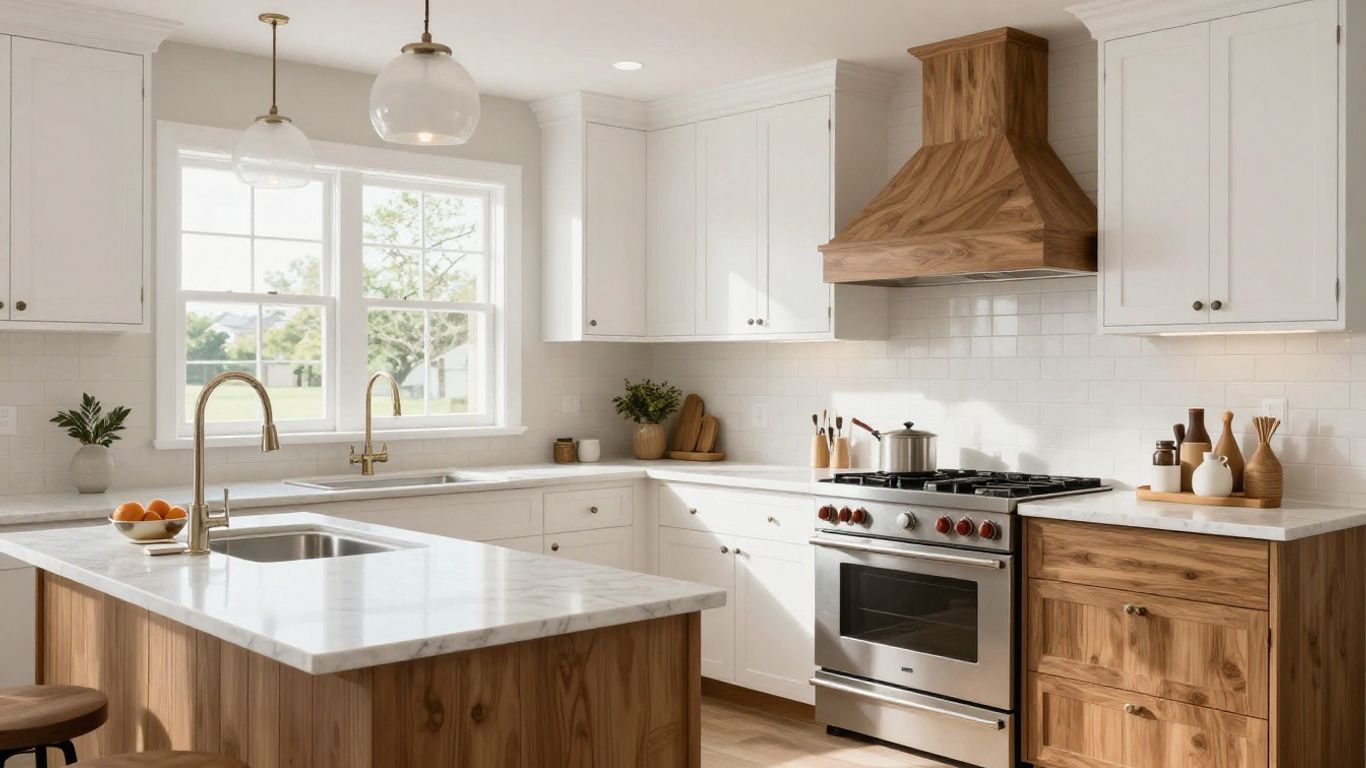
Modern kitchen design in Dallas

Finding the balance between traditional Texas home architecture and modern functionality requires thoughtful design choices that respect the original structure. Modern kitchens in the metroplex often incorporate natural elements blended with contemporary hardware to form a space that feels both current and comfortable.

Integrating modern aesthetics with historic charm

Preserving a home’s original architectural character while updating the kitchen involves careful material placement and lighting choices. The best designs emphasize timeless appeal over passing fads, allowing renovated spaces to blend seamlessly with earlier design eras commonly found in established Dallas neighborhoods.

Selecting durable materials for high-traffic zones

Selecting surfaces that handle heavy use while maintaining their visual appeal is critical. Below are common material considerations for active Texas kitchens:

Surface Material Durability Rating Maintenance Ease
Granite High Moderate
Quartz Very High High
Butcher Block Low Low

Material longevity dictates how well the heart of your home serves your family, so focusing on high-traffic areas now prevents early wear and tear.

Optimizing kitchen layouts for the Texas lifestyle

Open-concept spaces remain popular for entertaining but require strategic placement of seating and islands to function effectively. Incorporating features that accommodate large gatherings or casual dining ensures the kitchen serves as the social anchor of your daily life.

Choosing color palettes that maximize natural light

Using light colors and strategic artificial placement helps brighten darker kitchens or naturally dim interior corners. Neutral bases paired with consistent undertones help reflect sunlight and create an expansive, airy experience throughout the work area.

Navigating cabinet and countertop selections
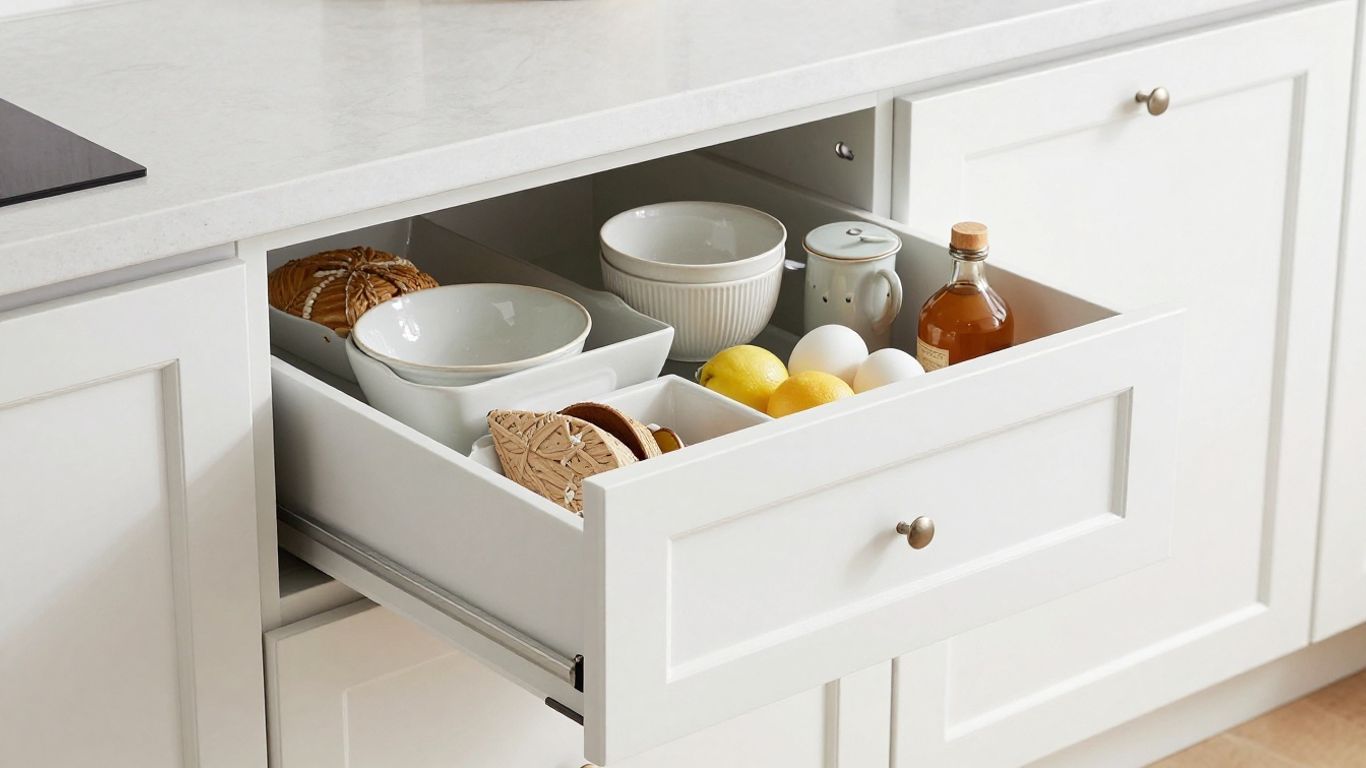
Custom kitchen storage solutions

Selecting finishes requires balancing aesthetics against your long-term maintenance preferences and practical usage patterns. Whether you gravitate toward sleek, contemporary lines or more detailed carpentry, consistency is the key to creating a kitchen that feels professional and intentional.

Comparing custom vs. semi-custom cabinetry options

Custom cabinets allow for complete personalization of dimensions and interior organization to fit your specific storage habits perfectly. Semi-custom options often provide significant aesthetic variety without the higher cost of bespoke work, making them a balanced choice for many budgets.

Choosing between quartz, granite, and marble surfaces

Each stone option carries unique benefits regarding heat resistance, staining, and daily care requirements. While marble exudes elegance, quartz provides a low-maintenance, engineered alternative that resists common concerns encountered in busy family kitchens.

Maximizing storage with creative layout solutions

Efficient organization is essential for maintaining a clean surface environment, especially in kitchens with limited traditional footprints. Effective storage strategies include:

  1. Installing pull-out pantry drawers to increase depth utility.
  2. Adding drawer dividers to keep utensils and tools organized.
  3. Utilizing deep corner units that use underutilized cabinet space.
  4. Incorporating vertical storage options for baking sheets and cutting boards.

Implementing these internal configurations ensures your kitchen tools remain accessible without creating visual clutter.

Coordinating hardware finishes for a cohesive look

Consistent metal finishes across pulls, faucets, and lighting fixtures unify the space and tie modern components to traditional architectural foundations. Thoughtful attention to these accents often defines the perceived quality of the entire renovation.

Managing the construction phase effectively

Construction can be invasive, but clear communication keeps everyone on the same page during the process. Preparing your home for the reality of day-to-day work ensures that the project progresses on schedule while minimizing stress.

Preparing your home for a long-term kitchen project

Create a secondary cooking or pantry space elsewhere to mitigate the loss of normal kitchen function. Establishing these temporary zones early allows your family to maintain a consistent routine during even the most ambitious structural renovations.

Maintaining clear communication with your contractor

Consistent status updates prevent misunderstandings and help you manage changes or challenges as they arise. A reliable professional from a firm like I Love My Bathroom!, known for prioritizing local homeowner satisfaction, understands that clear updates form the backbone of a successful construction experience.

Managing expectations during potential supply chain delays

Supply chain constraints can impact the arrival of specific appliances or tile grades, necessitating flexible scheduling. Acknowledging these potential realities early enables your project coordinator to adjust the order of operations to keep work moving steadily.

Protecting your floors and living spaces during demolition

Professional dust containment systems and floor coverings safeguard unaffected areas of the home from tracking materials or debris. Protecting surfaces during the tear-out phase prevents unnecessary repair costs later in the process.

Maximizing return on investment for your Dallas home

A strategic renovation focuses on structural and functional improvements that add value to the property over time. Avoiding risky, highly customized designs helps ensure the project maintains its broad appeal for when the time arrives to list your property.

Identifying high-impact areas that increase home value

Prioritize standard high-value upgrades like durable, high-quality cabinetry and neutral stone countertops over excessive, niche specialty appliances. These elements define the kitchen in the eyes of future buyers, creating a baseline of perceived quality that holds firm through changing market cycles.

Focusing on energy-efficient lighting and appliances

Modern kitchens benefit from energy-efficient technology by lowering operational costs and contributing to a more sustainable footprint. These features attract eco-conscious buyers and often serve as a selling point when emphasizing the home’s updated performance standards.

Avoiding over-customization that limits resale appeal

Extreme stylistic choices, while personal, may inadvertently narrow the market of potential future purchasers. Maintaining a neutral but high-end aesthetic allows new owners to envision their own style, ensuring your investment remains widely desirable.

Investing in long-term functionality over fast trends

You can easily start your remodel by focusing on core components like layout efficiency and plumbing performance. By selecting quality materials that will not require replacement in five years, you secure the best long-term utility and value for your home’s most important room.

Conclusion

A beautiful kitchen renovation is about much more than changing finishes; it’s about crafting a heart for your home that responds to the demands of modern living while honoring the architectural spirit of your city. By following a structured approach, maintaining open lines with your professional building partners, and prioritizing enduring quality, you can enjoy a workspace that brings daily satisfaction and lasting value for many years.

Frequently Asked Questions

Is a professional design-build team necessary for my kitchen remodel?

Working with an integrated team simplifies the process by ensuring that design choices and construction execution remain aligned throughout the project lifecycle.

How do I balance historic home character with modern kitchen updates?

Focus on incorporating current technology and storage solutions within high-quality materials that respect the original architectural style of the residence.

What is the typical timeframe for a standard kitchen renovation?

The duration varies significantly based on the project scope, but most full renovations require several weeks of planning and construction to ensure correct installation of custom components.

Are quartz countertops the best choice for busy kitchens?

Quartz offers exceptional stain and chip resistance paired with low-maintenance requirements, making it a favorite for many high-use family kitchens in Texas.

How can I make a small kitchen feel more spacious?

Using light palettes, bright task lighting, and creative vertical storage configurations helps create the perception of a larger workspace without requiring structural expansion.

Does a kitchen remodel significantly improve home resale value?

Upgrading the kitchen remains one of the most effective ways to boost home equity, provided the improvements align with neighborhood market standards and focus on long-term functionality.

How should I select the right contractor for my home?

Look for established, licensed professionals with a history of clear communication and references that confirm their commitment to quality and project timelines within your local area.

Roof Repair DFW: 10 Signs You Need It Now | Rocking J

10 signs you need roof repair


10 Signs You Need Roof Repair: The DFW Homeowner’s Guide (2026)

If you’re searching for roof repair in DFW, chances are something has already caught your eye — a stain on the ceiling, a shingle in the yard, or damage after the last storm. Between 70-mph straight-line winds in the spring and the baseball-sized hail that Southlake and Grapevine seem to attract every other year, DFW roofs take a beating that would wear out a Northern roof in half the time.

At Rocking J Construction, we’ve been managing roof repair and replacement across DFW for over 18 years. Our founder, Jay Gravatt, didn’t just start as a builder — he was a certified roof inspector and a former insurance adjuster. He knows exactly what the “other side” is looking for when you file a claim. We’ve completed hundreds of projects across Colleyville, Grapevine, and the surrounding areas, and we’ve learned one universal truth: catching a $500 roof repair today saves you a $20,000 catastrophe next season.

If you’re wondering whether your roof is still working like a champ or is an asset about to become a liability, here are the 10 warning signs every DFW homeowner should know.

Rocking J Construction crew performing roof replacement on a Grapevine TX home with branded service truck in foreground
Our crew on the job in Grapevine — one point of contact, start to finish. When you see the orange truck, the work is getting done right.

1. Granite Granules in the Gutters

When you’re cleaning your gutters — or watching the downspout after a heavy DFW downpour — do you see what looks like coarse black sand? Those are granules. Asphalt shingles use them to protect the underlying mat from UV rays.

In the 2026 DFW climate, the sun is more aggressive than ever. Once those granules wash away, your shingles are essentially bald. A bald shingle becomes brittle within 48 hours of direct Texas sun, leading to cracks and leaks. If your gutters are more than 30% full of granule sand, your roof is nearing its expiration date and it’s time to call a DFW roofing contractor for an inspection.


2. The “Bruise” Test — Hail Damage

Hail is the #1 reason for roof repair and replacement in the DFW area. But hail damage doesn’t always look like a hole — often, it looks like a bruise.

Close-up of hail damage bruise on asphalt shingle highlighted during DFW roof repair inspection
This is what hail damage actually looks like up close — a fractured fiberglass mat that most homeowners miss. To an insurance adjuster, this is a structural failure.

When a hailstone hits, it knocks granules off and fractures the fiberglass mat underneath. To the untrained eye, it’s just a dark spot. To an experienced DFW roofing contractor who knows the adjuster’s playbook, it’s a structural failure. If you see scattered dark circles on your roof after a storm, don’t wait — those bruises will become active leaks by the next rainfall.

This is also the point where having a contractor with an insurance claim background pays off. Jay’s experience as a former adjuster means every bruise and crease gets documented so you receive the full settlement you’re entitled to.


3. Curling or Buckling Shingles

Take a look at your roofline during the golden hour when the sun is low. Are the edges of the shingles turning upward (curling) or is the middle section rising (buckling)? This typically happens for two reasons:

  • Age: The shingle has simply dried out.
  • Poor Ventilation: If your attic is cooking your shingles from the inside out, they’ll buckle long before their 20-year warranty expires.

Either way, curling or buckling shingles in a DFW home are a clear signal that roof repair — or full replacement — is on the horizon.


4. Missing or Creased Shingles — Wind Damage

DFW wind doesn’t just blow shingles off — it creases them. High winds can lift a shingle, snap the adhesive seal, and bend it back. Even if it lays back down flat, that horizontal crease means the internal structure is broken. It will never seal properly again, and the next gust will send it into your neighbor’s yard.


5. Damaged or Rusted Flashing

Flashing is the metal material that directs water away from critical areas like chimneys, dormers, and vent pipes. In older Southlake and Colleyville homes, we regularly find original flashing that has begun to rust or pull away from the structure. If your flashing is compromised, it doesn’t matter how good your shingles are — water is getting in. At Rocking J, we treat flashing as a core part of every installation and get it right the first time.


6. Daylight in the Attic

This is the simplest test you can do yourself. Go into your attic on a bright day, turn off the lights, and look up. If you see even a pinprick of daylight through the roof boards, you have a problem.

Water follows light. If light can get in, a DFW thunderstorm will find its way in too. We’ve seen small punctures from fallen branches — easily missed from the ground — lead to over $10,000 in attic insulation and drywall damage because the homeowner didn’t catch it early.


7. Sagging Rooflines

If your roof has visible waves or a dip along the ridge line, treat it as a red alert. Sagging typically indicates long-term water damage that has rotted the decking or, worse, the rafters. This isn’t just a shingle issue — it’s a structural one. When Rocking J finds structural rot during a roof repair, we handle it on the spot. No waiting three days for a change order.


8. Moss, Mold, or Algae Growth

While DFW doesn’t have the humidity of East Texas, roofs in shaded areas can still develop moss or algae. Black streaks are usually algae and mostly cosmetic, but moss is a different story — it acts like a sponge, holding moisture against the shingle and causing the edges to rot. If you see greenery on your roof, it’s actively holding water against your home.


9. Interior Water Stains

If you notice brown stains on your ceiling or peeling paint in the corners of your rooms, water has already bypassed your shingles, underlayment, and decking, and is soaking into your drywall. The cost difference between acting now versus waiting is significant:

Timing Estimated Cost
Immediate roof repair $450 – $900
Waiting 6 months $15,000+ (new roof + mold remediation + drywall + paint)

10. The 20-Year Expiration Date

Most asphalt roofs in North Texas are rated for 20–30 years. But in DFW, roof years are like dog years. One major hailstorm is the equivalent of five years of normal wear. If your roof was installed before 2006 and hasn’t been replaced, it is statistically likely to fail during the next major weather event. Don’t wait for the storm to make the decision for you.


Why Rocking J Construction Is Your Roof Repair Advantage in DFW

We aren’t the biggest roofing firm in Texas — and we like it that way. Our size means when you call, you talk to someone who actually knows which street you live on in Grapevine.

Jay’s Adjuster Background: We speak the language of insurance companies. Every damaged shingle, bruise, and crease gets documented so you receive the full settlement you deserve — not what the adjuster decides to offer.

24/7 Availability: Storms don’t happen between 9 and 5. If a tree hits your roof at 2 AM, we are the team that answers.

Quality Over Volume. Always: We use higher-grade underlayment, architectural shingles built for the next decade of DFW weather, and precision flashing that we stand behind completely.

Completed asphalt shingle roof replacement on a brick home in North Texas by Rocking J Construction
Another completed roof replacement in North Texas — new architectural shingles, clean lines, and built to handle whatever DFW throws at it next.

Frequently Asked Questions About Roof Repair in DFW

How do I know if my roof needs repair or full replacement?

A repair is usually sufficient for isolated damage — a few missing shingles, minor flashing issues, or a small leak. Replacement becomes the better investment when damage is widespread, the roof is over 20 years old, or multiple issues exist at once. A professional inspection will give you a clear answer.

Does homeowner’s insurance cover hail damage roof repair in Texas?

In most cases, yes — hail damage is a covered peril under standard Texas homeowner’s insurance policies. The key is proper documentation. Having a contractor with insurance claim experience, like Rocking J, ensures nothing gets missed when the adjuster comes out.

How much does roof repair cost in DFW?

Minor repairs typically run $450–$900. A full roof replacement in the DFW area generally ranges from $8,000–$18,000 depending on square footage, materials, and any structural repairs needed. Catching problems early almost always saves thousands.

How long does a roof repair take?

Most standard repairs can be completed in one day. A full replacement on an average DFW home typically takes two to three days depending on weather and complexity.

What roofing materials hold up best in North Texas?

We recommend architectural (dimensional) asphalt shingles rated for high-wind and impact resistance. Some homeowners in hail-prone areas of Colleyville and Southlake also opt for Class 4 impact-resistant shingles, which may qualify for an insurance discount.


Ready for a Free Roof Inspection?

Don’t wait for the ceiling to drip. Whether you need a simple roof repair or full storm damage restoration across DFW, Rocking J Construction manages the entire project from the first call to the final walkthrough — one point of contact, zero stress.

Contact Rocking J Construction today for a free, no-nonsense roof inspection. We’ll tell you exactly what’s happening up there — no sales pressure, just the facts.


Quartz vs. Granite: Which Is Better For Your Kitchen Remodeling Southlake TX Project?

Finished kitchen


Kitchen Remodel Southlake TX: Quartz vs. Granite — Choose Right the First Time (2026)

If you’re planning a kitchen remodel in Southlake TX and staring at 15-year-old laminate or tiled counters thinking, “It’s time,” you aren’t alone. In our 18+ years at Rocking J Construction, we’ve helped hundreds of DFW homeowners navigate this exact decision — and it’s one of the most important choices you’ll make for your home’s value, function, and daily lifestyle.

Choosing between quartz and granite isn’t just about picking a color you like. It’s a high-stakes decision involving durability, maintenance, and — most importantly for many of our neighbors in Southlake and Colleyville — resale value. The truth is, both materials are genuine assets. But for a 2026 kitchen remodel, one might serve your lifestyle a bit better than the other. Let’s break it down so you can get it right the first time.


Quartz vs. Granite: What Every Southlake Homeowner Should Know

Before we get into the details, let’s define what we’re actually talking about.

  • Granite: 100% natural stone. Quarried from the earth, sliced into slabs, and polished. Every slab is unique — no two are identical.
  • Quartz: Engineered stone. About 90–95% ground-up natural quartz mixed with polyester resins and pigments. Consistent, customizable, and extremely durable.

At Rocking J, we see quartz as the new-school powerhouse and granite as the old-school reliable workhorse. Both are tough, but they handle the chaos of a busy DFW kitchen differently.


1. Durability: Which Countertop Holds Up in a North Texas Kitchen?

When we talk durability in a Southlake TX kitchen remodel, we focus on three things: scratches, stains, and heat.

The Quartz Edge

Quartz is essentially non-porous. Spill a glass of Texas red wine or drop some salsa — it won’t soak into the stone. On the Mohs hardness scale, quartz scores a 7, making it incredibly difficult to scratch under normal kitchen use.

The Granite Edge

Granite’s superpower is heat resistance. You can pull a tray of cookies out of a 350°F oven and set it directly on granite without a second thought. Quartz, because of its binding resins, can actually scorch or discolor under the same conditions. If you’re a heavy baker who refuses to use trivets, granite countertops in your DFW kitchen are the smarter asset.

The Verdict: For most Southlake families with kids — and the accidental spills that come with them — quartz wins on the worry-free scale.


2. Maintenance: What’s the Real Day-to-Day Commitment?

One of the most common questions we hear during kitchen remodel consultations in Southlake and Colleyville TX is: “How much work is this going to be?” Here’s the honest answer:

  • Quartz Maintenance: Zero. You never have to seal it. Soap and water keeps it looking as good in ten years as it does on day one.
  • Granite Maintenance: Because it’s natural stone, it’s porous. You’ll need to seal it every 12–24 months. Skip the sealing and that olive oil spill from last Tuesday might become a permanent part of your kitchen’s history.

For homeowners who want a low-friction lifestyle, we lean toward quartz countertops for kitchen remodels in North Texas. We’ve had clients tell us the 20 minutes it takes to seal granite once a year is too much — and we get it.


3. Resale Value: What Do Southlake Buyers Expect in 2026?

If you’re planning to sell your Southlake or Colleyville home in the next five years, this section is for you. DFW buyers — especially in high-end communities — have high expectations, and your countertop choice will affect both your sale price and how fast you close.

Current trends show quartz is the most requested countertop material for kitchen remodeling in North Texas. Its clean, modern look fits perfectly with the popular Transitional and Modern Farmhouse aesthetics that dominate the Southlake market right now.

The ROI Numbers

  • A major kitchen remodel in the Southlake area typically delivers a 60%–80% Return on Investment, according to the Remodeling Magazine Cost vs. Value Report.
  • Homes with quartz countertops tend to sell faster in 2026 because they signal a move-in ready, low-maintenance lifestyle to prospective buyers.
  • Granite still carries strong luxury name recognition. In a traditional high-end home, an exotic granite slab can absolutely be a major selling point.

Quartz vs. Granite: Side-by-Side Comparison

Feature Quartz Granite
Material Engineered (93% natural stone) 100% Natural Stone
Sealing Required No Yes (every 1–2 years)
Heat Resistance Moderate — use trivets High — heat-proof
Stain Resistance High Moderate (must be sealed)
Pattern Consistent and predictable Unique and variable
Market Demand in DFW Very High — top of 2026 trends High — classic luxury appeal

Why the Quality of Installation Matters as Much as the Material

Here’s something most countertop articles won’t tell you: a $10,000 slab of stone looks like junk if the seams are messy or the leveling is off. The material is only half the equation. The other half is who installs it.

At Rocking J Construction, we’ve been completing kitchen remodels in Southlake TX and across the DFW Metroplex for nearly two decades. We aren’t a big-box operation with layers of middle management slowing your project down. When you call us, you talk to the team that actually manages your project — from the first design conversation to the final walkthrough.

Our founder Jay Gravatt’s background as a former insurance adjuster means we bring an eagle eye for detail that most contractors simply don’t have. We see the potential issues before they become $5,000 mistakes. Tight seams, smooth edges, a clean job site — that’s the Rocking J standard on every kitchen remodel in North Texas. For more on what we do, visit our services page or learn about our roofing and storm restoration work.


Our Final Recommendation for Southlake Homeowners

Choose Quartz if you want a kitchen that looks stunning, requires zero maintenance, and will appeal to 95% of buyers when you go to sell. It’s the right call for most kitchen remodels in Southlake TX in 2026.

Choose Granite if you’re a culinary enthusiast who loves owning a one-of-a-kind piece of the earth and doesn’t mind an annual sealing routine. In the right home, high-end granite is still a luxury statement.

Either way, call us before you make your final decision. We’ll walk through your specific kitchen layout, your lifestyle, and your plans for the home — and give you a straight answer, not a sales pitch.


Frequently Asked Questions: Kitchen Remodel Southlake TX

How much does a kitchen remodel cost in Southlake TX?

A mid-range kitchen remodel in Southlake typically runs between $40,000 and $80,000 depending on scope, materials, and layout changes. A full high-end remodel with custom cabinetry, premium countertops, and appliance upgrades can exceed $100,000. The best way to get an accurate number is a walkthrough consultation — contact us and we’ll give you a straight estimate based on your specific kitchen.

How long does a kitchen remodel take in North Texas?

A standard kitchen remodel in the DFW area typically takes 6–10 weeks from demolition to final walkthrough. Larger projects involving layout changes, additions, or custom cabinetry can run 12–16 weeks. At Rocking J, we give you a realistic timeline upfront and stick to it.

Is quartz or granite better for resale value in DFW?

In most DFW markets in 2026 — especially Southlake, Colleyville, and Keller — quartz has the edge for resale. Buyers in this market respond well to low-maintenance, move-in ready finishes. That said, a premium exotic granite slab in a traditional luxury home can be equally compelling. We recommend making the decision based on your timeline to sell and your target buyer profile.

Do I need a permit for a kitchen remodel in Southlake TX?

It depends on the scope. Cosmetic updates like countertop replacements and cabinet refacing generally don’t require a permit. However, if your remodel involves moving walls, relocating plumbing, or updating electrical panels, permits are required by the City of Southlake. Rocking J handles all permitting as part of our project management — you don’t have to navigate that process alone.

What is the ROI on a kitchen remodel in North Texas?

According to industry data, a major kitchen remodel in the Southlake area typically returns 60%–80% of its cost at resale. Minor kitchen remodels — new countertops, updated fixtures, fresh paint — can actually deliver a higher percentage ROI because the investment is smaller. The key is not over-building for your neighborhood. We help you find that balance during the planning phase.

Does Rocking J Construction handle the full kitchen remodel or just countertops?

We manage the full project — design consultation, demolition, plumbing and electrical coordination, cabinetry, countertop installation, backsplash, and final walkthrough. One point of contact from start to finish. No hand-offs, no excuses.


Ready to Start Your Southlake Kitchen Transformation?

Rocking J Construction has been serving Southlake, Colleyville, Grapevine, and the surrounding DFW communities for nearly two decades. We aren’t just contractors — we’re your neighbors. If you’re ready for a stress-free kitchen remodel experience where the owner actually answers the phone, give us a shout today.

Service and speed. That is the Rocking J promise.


Home Remodeling Grapevine TX: 5 Ways to Boost Resale Value (2026)


Home Remodeling Grapevine TX: 5 Ways to Boost Your Resale Value in 2026

If you are considering home remodeling in Grapevine TX, you aren’t just building a better kitchen or putting on a sturdier roof — you are making a strategic investment in one of the most desirable communities in the DFW Metroplex. Grapevine isn’t just another suburb. From the historic charm of Main Street to the quiet, tree-lined neighborhoods near the lake, owning a home here means balancing heritage with modern living.

As we move into 2026, the local real estate market has shifted. Buyers are no longer looking for fixer-uppers or dated 90s layouts. They want move-in-ready homes that blend timeless Texas style with high-efficiency upgrades. At Rocking J Construction, we’ve spent over 18 years helping Grapevine homeowners navigate exactly these choices. Our founder Jay Gravatt’s background as a former insurance adjuster means we’ve seen the value of a home from every angle — from the structural integrity that keeps your family safe to the aesthetic choices that make an appraiser take notice.

Here are the five things you need to know about increasing your home’s resale value right now.


1. Curb Appeal: The 268% ROI Secret Every Grapevine Homeowner Should Know

First impressions aren’t just emotional — they are financial. In the North Texas and Grapevine markets, curb appeal remains the king of Return on Investment. According to recent DFW market data, a simple garage door replacement can deliver an ROI as high as 268%.

Why? Because in a town like Grapevine, where home styles range from historical cottages to sprawling brick estates, the face of the home tells a buyer exactly how well the property has been maintained. Three of the highest-impact curb appeal upgrades we recommend for home remodeling in Grapevine TX:

  • Stone Veneer: Replacing dated siding with manufactured stone veneer around the entryway can deliver over 100% cost recovery at resale.
  • Front Entry: A new steel or high-quality fiberglass door in a bold, neutral tone creates an immediate focal point that buyers remember.
  • Roofing: A clean architectural shingle roof isn’t just a maintenance item — it’s a massive selling point. Homes with a roof certified as storm-ready consistently sell faster in the Grapevine market. Learn more about our DFW roof repair and replacement services.

2. Kitchen Remodel Grapevine TX: Why “Minor” Beats “Luxury” for ROI

When homeowners think about a kitchen remodel in Grapevine TX, they often imagine a $100,000 gut job with commercial-grade appliances. While those kitchens are beautiful, they rarely deliver the best return at resale.

In fact, 2026 data shows that minor kitchen updates recover roughly 113% of their cost at resale in the Dallas-Fort Worth market, according to the Remodeling Magazine Cost vs. Value Report. Large luxury overhauls often drop that recovery rate to 40–50%. The goal is a clean, efficient, and welcoming space. Buyers in Grapevine are currently responding to:

  • Quartz Countertops: Durable, low-maintenance, and cleaner-looking than the speckled granite of ten years ago.
  • Painted or Refaced Cabinetry: Shaker-style white or soft wood-toned cabinets appeal to the vast majority of buyers and photograph beautifully.
  • Layered Lighting: Moving away from a single overhead fixture to under-cabinet LEDs and modern pendant lights over the island makes the space feel custom and intentional.

Our team manages kitchen remodeling projects in Grapevine from the first phone call to the final walkthrough, ensuring your minor update doesn’t turn into a major headache. See our full remodeling services for more detail on what we handle.


3. Patio Covers DFW: Turn Your Backyard Into a Year-Round Living Room

In Texas, we live outside as much as we do inside — but the Grapevine sun can be unforgiving from May through September. One of the highest-value upgrades we see in home remodeling projects across DFW right now is transforming a basic concrete slab into a true outdoor living room.

Adding patio covers that DFW homeowners can actually use year-round is a strategic move. A custom-built wooden cover with integrated lighting and ceiling fans essentially increases your home’s usable square footage without the expense of a full room addition. When that cover features a vaulted gable roof that matches your home’s existing architecture, it creates the kind of seamless transition that stops buyers in their tracks during a walkthrough.

Buyers in Grapevine envision themselves hosting graduation parties, Sunday morning coffees, and Friday night dinners in these spaces. That emotional connection translates directly into offer prices.


4. Structural Integrity: The “Invisible” Value That Can Make or Break Your Sale

This is where Jay’s background as a former insurance adjuster becomes your biggest asset in any home remodeling project in Grapevine TX. When it’s time to sell, savvy buyers and thorough inspectors will look past the paint. They’ll check the age of your HVAC, the condition of your plumbing, and — most importantly in North Texas — the state of your roof.

Storm damage is a fact of life in DFW. If your home has unaddressed hail damage, your resale value will take a hit and your closing could be delayed by insurance complications. At Rocking J, we don’t just fix things. We advocate for you. Because we’ve spent years on the other side of the insurance claim process, we know exactly what needs to be documented to ensure your home is valued correctly.

For more on how Texas homeowners can navigate storm damage and insurance claims, the Texas Department of Insurance provides resources that every homeowner should be familiar with before filing a claim.


5. The Single Point of Contact Advantage: Why Local Matters in Grapevine

When you hire a massive national renovation firm for your Grapevine TX home remodeling project, you’re often just a number in a spreadsheet. In a community where word-of-mouth is everything, that doesn’t work. At Rocking J Construction, we manage every single trade — plumbers, electricians, roofers, and tilers — so you don’t have to coordinate between five different contractors.

  • 18+ Years of Experience: We’ve seen every architectural quirk Grapevine homes have to offer.
  • Fully Insured and Liability Covered: We protect your investment from start to finish.
  • Speed and Agility: Being a local, focused firm means we get things correct the first time — no waiting three days for a change order.

Whether you are updating a primary suite with a spa-like walk-in shower or refreshing your flooring with high-quality Luxury Vinyl Plank, our goal is a stress-free experience that maximizes your home’s appraised value.


Frequently Asked Questions: Home Remodeling in Grapevine TX

What home remodeling projects have the best ROI in Grapevine TX?

In the current Grapevine market, the highest ROI projects are garage door replacement, minor kitchen updates, manufactured stone veneer on the exterior, and roof replacement. Patio covers and outdoor living spaces are also delivering strong returns as buyers increasingly prioritize outdoor entertaining areas.

Do I need a permit for home remodeling in Grapevine TX?

It depends on the scope of the project. Cosmetic updates like painting, flooring, and cabinet refacing generally don’t require a permit. Structural changes, additions, electrical work, and plumbing modifications do require permits through the City of Grapevine Building Inspections department. Rocking J handles all permitting as part of our project management — you won’t have to navigate that process alone.

How long does a home remodeling project take in Grapevine?

Timeline depends heavily on scope. A minor kitchen update typically runs 3–5 weeks. A full kitchen remodel is 6–10 weeks. A patio cover addition can usually be completed in 2–3 weeks. We give you a realistic timeline at the start of every project and stick to it.

How do I know if my Grapevine home has unaddressed storm damage before selling?

The honest answer is that most homeowners don’t — until an inspector finds it during the buyer’s due diligence period, which is the worst time to find out. We offer pre-sale roof and exterior inspections specifically designed to identify and document any storm damage before it becomes a negotiating problem at closing. Contact us to schedule one.

What is the difference between a general contractor and a remodeling company?

A general contractor like Rocking J manages the entire project — coordinating all trades, pulling permits, managing the schedule, and serving as your single point of contact. A remodeling company may specialize in one trade only. For a home remodeling project in Grapevine TX that involves multiple scopes of work, a general contractor almost always delivers a smoother experience and a better result.


Ready to Invest in Your Grapevine Home?

Remodeling for resale isn’t about following every trend — it’s about making smart, durable choices that appeal to the next generation of homeowners while serving your family today. From a minor kitchen remodel in Grapevine TX to high-impact patio covers across DFW, every dollar you spend should work hard for your bottom line.

Rocking J Construction is here to guide you through that process. We are more than contractors — we are your neighbors who know exactly how to build value into every square inch of your home. Contact us today for a consultation and let’s make your home the best on the block.

Quality over volume. Always. That is the Rocking J promise.


Patio Covers DFW: Reclaim Your Backyard From the Texas Heat (2026)


Patio Covers DFW: Reclaim Your Backyard From the Texas Heat in 2026

If you’re searching for patio covers in DFW, you already know the problem. By the time June hits in Grapevine, Southlake, or Colleyville, your backyard feels less like a sanctuary and more like the surface of a cast-iron skillet. Homeowners spend thousands on beautiful landscaping and a nice concrete slab, only to realize that between 10:00 AM and 7:00 PM, that space is basically off-limits — unless you enjoy the sensation of slow-roasting in the Texas sun.

At Rocking J Construction, we’ve spent over 18 years helping North Texas families reclaim their outdoor territory. We are full-service general contractors who believe your backyard should be an asset, not a liability. A custom patio cover is the single most effective way to flip the script on the Texas heat — and in the DFW real estate market, it’s one of the smartest investments you can make in your home.


The Reality of an Uncovered DFW Patio in Summer

Let’s get real about the physics of a North Texas summer. On a typical 100-degree day — and we get plenty of those — an uncovered concrete patio can reach surface temperatures exceeding 140°F. That’s hot enough to cause burns in seconds. Your outdoor furniture warps. Your grill is too hot to touch. Your kids stay inside, and honestly, can you blame them?

Most homeowners cycle through flimsy market umbrellas that blow away at the first sign of a North Texas thunderstorm, or pop-up tents that look cheap and last exactly one season. It’s a cycle of frustration and wasted money. A permanent, custom-engineered patio cover changes everything.

When we install a properly designed patio cover on a DFW home, we typically see an immediate 15-to-20-degree temperature drop in the covered area. By integrating the structure into your home’s existing roofline, we create a seamless transition that feels like a natural extension of your living room — not something bolted on as an afterthought.


Patio Cover ROI: The Numbers That Matter in the DFW Market

Let’s talk numbers, because a custom patio cover isn’t just a comfort upgrade — it’s a financial move. In the DFW market, a well-constructed permanent patio cover typically yields a return on investment of 55–60% at resale, according to current market data from the Remodeling Magazine Cost vs. Value Report.

In competitive markets like Southlake and Colleyville, move-in-ready outdoor living is a massive differentiator. Buyers aren’t just looking for square footage anymore — they want functional lifestyle zones. When a prospective buyer sees a custom cedar-beamed cover with integrated lighting and a ceiling fan, they don’t see a project. They see where they’re going to spend their Friday nights.

Beyond resale value, there’s an immediate utility ROI. By shading your home’s exterior walls and windows, a patio cover reduces solar heat gain — which means your AC unit works less and your monthly electric bill drops. It’s an asset that pays you back in both comfort and cash from day one. For more on how outdoor additions affect your overall home value, visit our remodeling services page.


What a Custom DFW Patio Cover Actually Includes

Not all patio covers are built the same — and in North Texas, the difference between a quality build and a “handyman special” becomes obvious the first time a hailstorm rolls through Grapevine. At Rocking J, we build for the specific demands of the DFW climate using materials and methods that hold up for decades.

Custom Design

We match your home’s specific architecture so the cover looks original, not added on. A cover that complements your existing roofline and exterior materials increases curb appeal rather than detracting from it.

Structural Integration

We expertly tie into your existing roofline to ensure zero leaks and maximum stability. Because of our deep roots in DFW roofing, we understand the physics of wind-lift and water-shedding better than a typical carpenter. Gravity isn’t a suggestion — it’s the law, and we engineer accordingly.

Electrical and Comfort Features

We install heavy-duty ceiling fans, recessed LED lighting, and outdoor-rated heaters so your patio cover is functional morning, noon, and night — even on those rare cool January evenings.

Outdoor Kitchens

For homeowners who want to take it further, we build stone-clad cooking stations that turn your covered patio into a full outdoor entertaining zone. Summer BBQs in Colleyville just got an upgrade.


Materials Built for North Texas Weather

We don’t build pretty structures that fall apart at the first hailstorm. Every patio cover we install in DFW uses industrial-grade materials selected specifically for the North Texas climate:

  • Select Tight-Knot Cedar: Classic Texas look that naturally resists rot and insects.
  • Heavy-Duty Steel Brackets: Keeps your structure anchored through 60-mph spring gusts.
  • Matching Shingles: We source materials that match your existing roof perfectly to maintain curb appeal.
  • Insulated Panels: For homeowners who want maximum heat reflection and a clean, modern finish.

For homeowners in hail-prone areas of Grapevine and Southlake, the Insurance Institute for Business and Home Safety provides guidance on impact-resistant building materials that can also help lower your homeowner’s insurance premium.


300+ Days of Use: The Real Value of a Covered Outdoor Space

Think about your current living room. Now imagine adding 400 square feet to it without the six-figure cost of a traditional room addition. That’s what a custom patio cover does for a DFW home.

North Texas actually has a lot of good weather days — they’re just often ruined by direct UV exposure or a sudden 20-minute rain shower. With a cover overhead, those “maybe” days become “definitely” days. Our clients consistently tell us they use their covered outdoor space over 300 days a year. Whether it’s morning coffee during a quiet summer rain or hosting a graduation party in July, the space becomes a reliable part of how the home actually functions.


Why Rocking J Construction for Your DFW Patio Cover

In the construction world, being a large corporation usually means you’re just a number in a spreadsheet. At Rocking J, our size is our strength. Being a boutique firm means we are agile, fast, and correct the first time — without layers of middle management slowing your project down.

Jay Gravatt’s background as a former insurance adjuster gives our team an eagle eye for structural detail that most contractors simply don’t have. Whether we’re integrating your patio cover with a new roofing project or handling a full home remodel in Grapevine, we manage every trade — carpenters, electricians, and roofers — under one roof. You get a single point of contact from the first call to the final walkthrough. No hand-offs, no excuses.

  • 18+ Years of Experience building in Grapevine, Southlake, Colleyville, and across DFW
  • Fully Insured and Liability Covered on every project
  • Permit Management Included — we handle all City of Grapevine and municipal permitting so you don’t have to
  • Clean Job Sites — we respect your property and your time

Frequently Asked Questions: Patio Covers in DFW

How much does a custom patio cover cost in DFW?

A standard attached patio cover in the DFW area typically runs between $8,000 and $20,000 depending on size, materials, and features like lighting and fans. Outdoor kitchen additions and premium materials like cedar with insulated panels will move toward the higher end. We provide straight, itemized estimates with no surprise costs.

Do I need a permit for a patio cover in Grapevine or Southlake TX?

Yes — any permanent attached structure in Grapevine, Southlake, and most DFW municipalities requires a building permit. Rocking J handles all permitting as part of our project management. You won’t have to navigate city offices or wait on inspections alone.

How long does it take to build a patio cover in North Texas?

Most standard patio cover installations are completed in 1–2 weeks once materials are on site and permits are approved. Larger projects with outdoor kitchens or significant electrical work may run 3–4 weeks. We give you a firm timeline upfront and stick to it.

What is the best material for a patio cover in the DFW climate?

For the combination of heat, UV exposure, and hail risk in North Texas, we recommend select tight-knot cedar for traditional aesthetics or insulated aluminum panels for maximum heat reflection and low maintenance. Both hold up well against DFW weather when properly installed and sealed.

Will a patio cover increase my home’s value in Southlake or Colleyville?

Yes — in the current DFW market, a well-built permanent patio cover is a recognized value-add. Buyers in Southlake and Colleyville actively look for functional outdoor living spaces, and a quality cover signals a well-maintained, move-in-ready home. The typical ROI at resale runs 55–60% in this market.

Can Rocking J match the patio cover to my existing roof?

Absolutely — matching your existing roofline, shingle color, and exterior materials is a standard part of our process. A cover that looks like it was always part of the home is always more valuable than one that looks bolted on.


Ready to Stop Looking at Your Backyard Through the Window?

A custom patio cover in DFW isn’t just a home improvement project — it’s a lifestyle upgrade that pays for itself in home value, energy savings, and the simple joy of actually using your outdoor space. Stop wrestling with market umbrellas and start living in a backyard that works year-round.

If you’re in the Grapevine, Southlake, Colleyville, or greater DFW area, contact Rocking J Construction today for a free consultation. We’ll walk your space, assess your roofline, and give you a straight-talk assessment of what’s possible — no high-pressure sales, just expert advice from a team that’s been doing this for nearly two decades.

Quality. Reliability. Local expertise. That is the Rocking J promise.


7 Mistakes You’re Making with Your Roof Repair Southlake TX Insurance Claim (and How to Fix Them)

If you’ve lived in Southlake or the surrounding DFW area for more than a few years, you know that the sound of hail on your roof isn't just "weather", it's a bill waiting to be delivered. But here’s the thing: most homeowners treat an insurance claim like a trip to the DMV. They expect it to be slow, frustrating, and ultimately, a loss of their time and money.

At Rocking J Construction, we’ve spent over 18 years on both sides of the fence. Before we were building award-winning roofing projects, I worked as an insurance adjuster. I’ve seen the "behind-the-scenes" manuals that carriers use to minimize payouts. I know exactly where they look for reasons to say "no," and more importantly, I know how to help you get a "yes."

Claiming for storm damage isn't just about getting a check; it's about protecting your home's equity. A $15,000 roof replacement that is only partially funded by insurance because of a paperwork error is a $5,000 – $7,000 mistake out of your pocket.

Here are the seven most common mistakes we see Southlake homeowners make with their roof repair claims and how we fix them together.


1. Waiting for a Leak to Call it "Damage"

The biggest mistake is the "wait and see" approach. Many homeowners think if water isn't dripping through the kitchen ceiling, the roof is fine.

The Reality: Hail damage is a slow burn. Those "bruises" on your asphalt shingles knock off the protective granules, exposing the underlying fiberglass mat to UV rays. Over 6 to 18 months, the sun bakes that spot until it cracks. By the time it leaks, the "storm date" might be too old for a valid claim, or the insurer might argue the damage is due to "lack of maintenance."

The Fix: Get a professional inspection within 24–48 hours of any significant hail event. We offer 24/7 responsiveness because in the construction world, speed is the primary differentiator. We’ll get a set of eyes on your roof before the next rain starts.

Rocking J Construction roofing truck on-site for residential service

2. Calling Your Insurance Agent Before a Contractor

It sounds counterintuitive, right? You pay for insurance, so they should be your first call.

The Reality: Every time you call your carrier to "inquire" about damage, it can be logged as a claim. If an adjuster comes out and finds $500 worth of damage (less than your deductible), you still have a "zero-pay claim" on your record. Too many of these can affect your premiums or even lead to non-renewal.

The Fix: Let us do a preliminary "no-nonsense" inspection first. If the damage isn't there, we’ll tell you straight. If it is, we’ll document it with high-resolution photos so you have physical evidence before the carrier opens a file. We want to ensure that when you do call, it’s for a legitimate, high-probability claim.

3. Ignoring the "Soft Metals" and Collateral Damage

Most people look at the shingles. We look at the vents, the gutters, and the AC fins. These are known as "soft metals," and they are the "telltale heart" of a hail claim.

The Reality: If your roof vents look like they’ve been hit with a ball-peen hammer, but the adjuster says there is no "functional damage" to the shingles, there’s a disconnect. Soft metal damage is a clear indicator of the hail's kinetic energy and size.

The Fix: Our inspections don't just stop at the shingles. We document the entire exterior. If we see $2,000 in gutter damage and dented dryer vents, that adds significant weight to the roof claim. This holistic approach is why we’re often able to turn a "denied" shingle claim into a full property restoration.

Close-up of hail damage on soft metal vents with warning overlay

4. Misunderstanding ACV vs. RCV Payouts

This is where the math gets messy. You might get a check for $8,000 and think, "Great, I'm halfway there," only to find out that’s all you’re ever getting.

The Reality:

  • ACV (Actual Cash Value): Pays what the roof is worth today (depreciated). If your 20-year roof is 10 years old, they only pay 50%.
  • RCV (Replacement Cost Value): Pays what it costs to buy a new roof today. They hold back the "depreciation" until the work is finished, then send you the rest.

The Fix: As former adjusters, we help you read your "Dec Page" (Declarations Page). If you have an ACV-only policy, we’ll be honest about your out-of-pocket costs so there are no surprises. If you have RCV, we manage the "supplementing" process to ensure the insurance company releases the full funds once we’ve completed the final walkthrough.

5. Falling for the "Deductible Eater" Scam

If a contractor tells you they can "waive" or "cover" your deductible, run.

The Reality: In Texas, it is a Class B misdemeanor for a contractor to pay, waive, or rebate a deductible (Texas Business & Commerce Code § 701.002). It’s insurance fraud. If a contractor is willing to break the law with the state, they’ll definitely cut corners on your roof. They might use "seconds" (defective shingles) or skip the ice and water shield to save money.

The Fix: We do things the right way. We are fully insured and liability-covered. We provide a detailed, line-item estimate using Xactimate: the same software the insurance companies use. Our value isn't in "eating" your deductible; it’s in getting your claim approved for the full amount so you get the highest quality materials that "work like a champ" for the next 30 years.

High-quality residential roof replacement in Southlake TX

6. Accepting the Adjuster’s First Estimate as Final

Adjusters are often overwhelmed after a North Texas storm. They might miss "code upgrades" or the specific costs of working on a steep, complex Southlake roof.

The Reality: If your local building code requires a specific type of underlayment or drip edge that wasn't on your old roof, the insurance company is often required to pay for that upgrade. But they won't volunteer that info.

The Fix: We act as your collaborator. We compare the adjuster's "scope of work" to our own. If they missed 100 linear feet of ridge cap or the valley flashing, we submit a "supplement." We’ve seen supplements increase claim totals by 20–30% just by pointing out technical requirements that were initially overlooked.

7. Hiring a "Storm Chaser" Instead of a Local Expert

You’ll see them 20 minutes after the clouds clear: white trucks with out-of-state plates and high-pressure sales pitches.

The Reality: These guys are built for volume, not quality. They hire local "crews of convenience," knock out the job in 8 hours, and are back in another state before the first leak happens. When you have a warranty issue three years from now, that "20-year labor warranty" is worthless because the company no longer exists.

The Fix: We’ve been a staple in the Grapevine and Southlake communities since 2009. We aren't going anywhere. Our "smallness" is our strategic advantage; it means Jay, our president, is involved. It means you have a single point of contact from the first call to the final nail. We treat every home like it's our own because our reputation in DFW is our most valuable asset.

Professional roof consultation on a Southlake patio

The Rocking J Difference: Transparency from the Foundry to the Finish

We don’t just "fix roofs." We provide peace of mind. Whether you need a simple repair or a full remodeling of your home’s exterior, we bring a level of technical precision: honed by nearly two decades in the industry: that bigger, slower firms can’t match.

Our process is built on physical evidence:

  • Smoother Welds: On our custom patio covers and metal work.
  • Clean Jobsites: We use the "Catch-All" system to ensure your landscaping isn't destroyed.
  • A Final Walkthrough: We don’t ask for the final check until you’ve walked the property with us and are 100% satisfied.

Don’t let a hailstorm turn into a financial headache. If you suspect damage, or if you’ve already started a claim and feel like you're getting the runaround, give us a call at (817) 601-7068. We’re available 24/7 to help you navigate the storm.

Custom detached garage with architectural roofing


Frequently Asked Questions

Q: How long do I have to file a claim in Texas?
A: Most policies give you one year from the date of the storm, but some are as short as 180 days. It is always better to act sooner rather than later to avoid "denial due to neglect."

Q: Will my insurance premiums go up if I file a claim?
A: In Texas, state law generally prohibits insurance companies from raising your rates solely because of a "claim for weather-related damage." However, rates can rise for an entire zip code if the area is hit hard.

Q: What if the insurance check is made out to my mortgage company too?
A: This is standard. We help you navigate the "mortgage loss draft" process, which involves getting their endorsement so the funds can be released for repairs.

Q: Can I use the insurance money to do other home upgrades?
A: Absolutely. Many of our clients use the "roof money" as a starting point to add detached garages or update their kitchen. We can work with you to integrate these projects seamlessly.

Ready to get started? Contact Rocking J Construction today.