

Key Takeaways
When planning a renovation in North Texas, selecting the right partner is critical for the success of your home project. Follow these five primary considerations to ensure a smooth, professional experience:
- Thoroughly research the reputation and past project history of local contractors.
- Always verify that anyone working on your home holds current licensing and insurance.
- Prioritize clear, open lines of communication regarding project timelines and expectations.
- Include a contingency fund in your budget to account for unexpected structural changes.
- Avoid contractors who provide vague, unwritten bids or dismiss your specific design needs.
Understanding the Dallas home remodeling market
Dallas residents face a unique set of challenges and opportunities when updating established homes. With a blend of mid-century aesthetics and modern luxury, the market demands a nuanced approach that respects the history of the neighborhood while integrating contemporary utility. You must treat your property with care by working with professionals who understand both the aesthetic legacy and the structural baseline of Texas housing.
Regional architectural styles and material considerations
The architectural landscape in Dallas varies from traditional brick estates to sleek, transitional modern builds. Selecting materials requires an understanding of how our regional climate influences long-term durability, especially regarding stone, wood, and exterior finishes.
Navigating local permitting and building codes in Dallas County
Understanding local regulations is essential, as every municipality within the region carries specific requirements for structural modifications. When you work with services like I Love My Bathroom for bathroom-specific needs, they often navigate these standard requirements directly. Always ensure your team confirms if a project requires a permit, as skipping this step can cause significant delays during future resale inspections.
Timing your project for optimal seasonal weather
Attempting major construction during the peak of the Texas summer or the unpredictable rainy season can disrupt your timeline. Scheduling works best when temperatures are moderate, allowing materials to set correctly and your site crew to maintain a productive, safe environment without extreme heat stress.
Essential qualities of a reliable home remodeling contractor
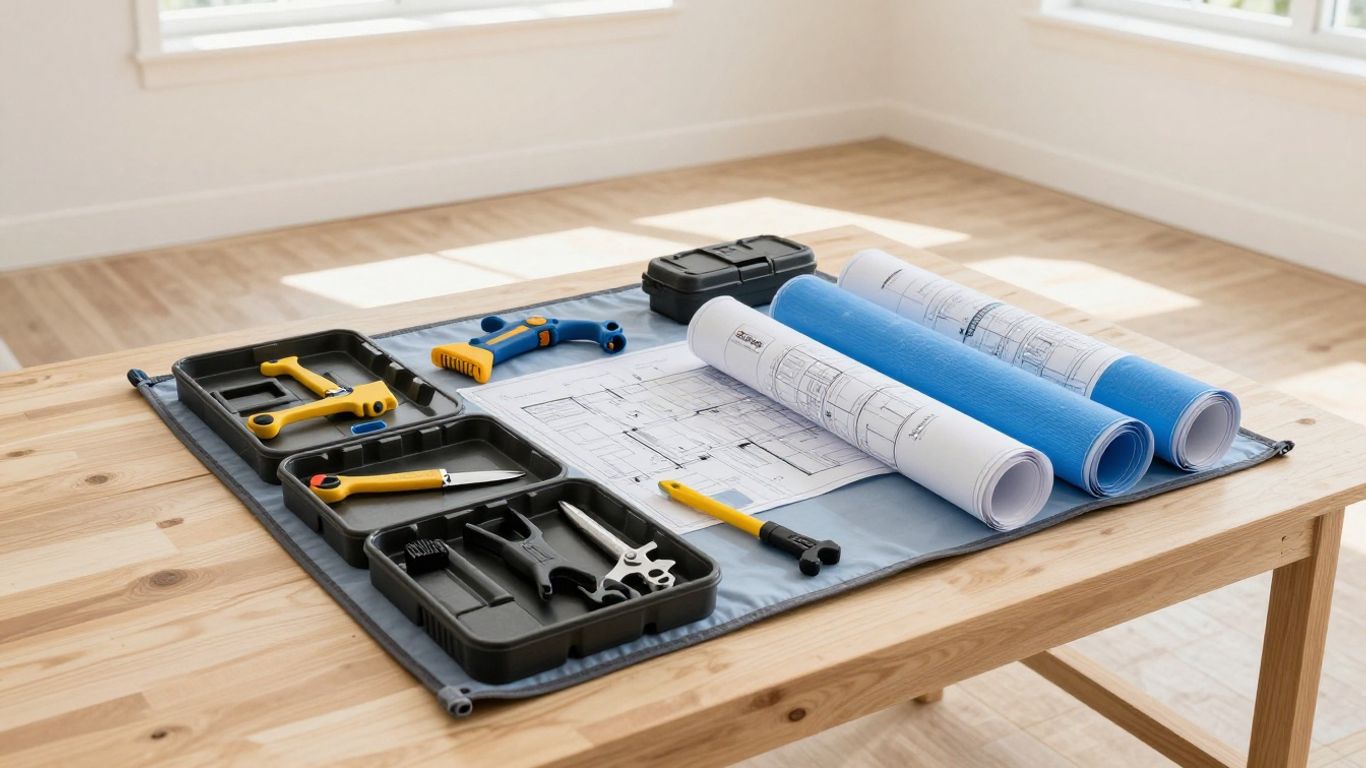
Finding a trustworthy professional is the most impactful decision you will make throughout the entire process. A top-tier contractor will be defined by their structural reliability and their ability to guide you through complex physical changes. Do not settle for crews that prioritize speed over precision when you are investing in major property improvements.
Verified licensing, insurance, and safety certifications
Any professional contractor must be able to produce proof of professional liability insurance and current worker compensation coverage on demand. This protects you from legal or financial liability if a job-site accident occurs, ensuring that your home and bank account remain protected while the heavy lifting is underway.
Portfolio depth and alignment with your design aesthetic
Beyond basic qualifications, review portfolios to see if the contractor has experience with your specific vision. For those focusing on luxury bathroom remodeling, a strong gallery showing previous client projects is often the best indicator of their craft. If your goal is a modern minimalist or a classic aesthetic, ensure their recent work mirrors those sensibilities.
Commitment to transparent communication and project management
Your contractor should be more than just a builder; they act as a manager for your resources, labor, and time. Effective project management includes proactive status reports that explain potential delays before they become disasters. When you feel comfortable designing and installing a backsplash or selecting luxury bathroom vanities with their guidance, you know you have found a solid partner.
How to effectively vet local construction professionals

Before signing a contract, you should conduct a rigorous vetting process that leaves no question unanswered. Choosing vetted local construction services is the best defense against poor workmanship or budget overruns, helping you maintain peace of mind. Use the following criteria during your interview phase:
- Ask for three references from clients who had projects completed within the last year.
- Inquire about how they handle unexpected issues behind walls, such as plumbing or electrical code variances.
- Request a clear breakdown of who will be the point of contact on-site throughout the project.
- Verify if they belong to any recognized professional trade associations or local chambers of commerce.
Requesting detailed references and recent project histories
Do not rely solely on digital advertisements or broad social media claims when evaluating a potential hire. Speaking directly to a recent client about their experience helps reveal the truth about project cleanliness, adherence to schedules, and how the contractor responded when things didn’t go perfectly according to plan.
Conducting in-person site visits to active job locations
Seeing a clean, orderly construction site in person provides more insight than any pitch deck ever could. While the work is ongoing, observe how the crew manages resources, how they protect shared spaces, and their attitude when discussing current, active challenges.
Reviewing digital feedback and professional association memberships
Online platforms like Houzz can offer a glimpse into industry standing, provided you look for consistent themes across multiple reviews. Professional organizations often require their members to meet strict ethical and technical standards, providing an extra layer of assurance for your Dallas home remodel. Firms like Elite Pro Remodeling or DFW Improved maintain public profiles that potential clients can use in their initial research.
Managing your renovation budget and expectations
Renovations involve dynamic factors that shift as projects evolve, meaning you should never operate without a clear understanding of the fiscal roadmap. Transparent quotes are the cornerstone of a healthy relationship with your contractor, ensuring that every expense serves a defined purpose in your final build.
Understanding transparent quote structures versus hidden costs
The following table illustrates how different common renovation expense categories might appear when transparently estimated by a professional team:
| Item Category | Estimated Percentage | Focus Area |
|---|---|---|
| Labor & Management | 45% | Site supervision & technical expertise |
| High-End Materials | 35% | Tiles, fixtures, and custom cabinetry |
| Contingency Fund | 10% | Unexpected structural needs |
| Overhead & Logistics | 10% | Insurance, permits, & debris removal |
Proactive management helps prevent the common trap of hidden costs that inflate a bid halfway through the construction cycle. By discussing these percentages up front, you avoid surprises and ensure that high-quality materials are prioritized appropriately.
Planning for inevitable project contingencies and design shifts
Building in a fifteen percent contingency buffer allows you to pivot when unexpected conditions are discovered, such as dry rot or outdated electrical wiring. Acknowledging that these hidden issues are part of an older home renovation allows you to stay calm when your lead contractor finds a surprise during the demolition phase.
Establishing payment schedules aligned with key project milestones
Payments should always be linked to finished tasks rather than dates on a calendar, ensuring your investment is directly tied to tangible progress. For more local context on design-build partners who prioritize clear communication, you might explore the approaches used by Bella Vista Company.
Common red flags to avoid during the hiring process
Sometimes, the best decision you can make in the hiring process is knowing when to walk away from a potential working relationship. Paying attention to these warning signs can prevent significant financial loss and years of frustration, as true professionals will never pressure you or withhold essential documentation.
Low bids that ignore material quality and labor standards
When a bid arrives significantly cheaper than the market average for your area, it almost always implies that the quality of materials or the dedication of labor will be sacrificed. If they aren’t quoting for high-end components or qualified specialists, your finished bathroom will likely suffer from premature aging and cosmetic failures within a few years of completion.
Contractors unwilling to provide written contracts and timelines
Never accept a verbal promise in place of a signed, written agreement that explicitly lists the scope of work and a project sequence. A contract that outlines the milestones and the timeline is your only legal protection if the work stops or if timelines bloat unnecessarily. A lack of structure often correlates with a lack of professional accountability.
Poor responsiveness or lack of clear project documentation
If a contractor struggle to communicate during the initial sales phase, that deficiency will likely worsen once they actually begin work inside your home. Clear documentation, including permit records and material specifications, is necessary to keep your property value high and your permit history clean for any future property transactions.
Conclusion
Taking the time to rigorously interview and research your options is the single best investment you can make in your property. By prioritizing transparency, clear communication, and verified track records, you set the foundation for a successful bathroom remodeling estimate and a beautiful finished space that brings value and comfort to your home for years to come.
Frequently Asked Questions
What is the most important thing to look for in a contractor?
The most important factor is the combination of verified professional insurance and a list of checkable recent references from local clients.
How long should I expect the vetting process to take?
You should set aside at least two to four weeks to gather three quotes, check references, and conduct in-person consultations with your top choices.
Does the lowest quote always represent a bad deal?
A quote that is significantly lower than others often indicates they are cutting corners on critical elements like high-end material quality or permit adherence.
Should I buy my own fixtures and materials?
It is generally better to allow your contractor to handle logistics if they have relationships with professional wholesalers, as they can manage returns, damages, and delivery coordination.
What should happen if the project goes over budget?
If reasonable contingency funds were established beforehand, the extra costs should be handled from those funds; otherwise, a formal change order signed by you is required.
How often should my contractor update me during construction?
Professional teams typically provide updates on a daily or weekly basis, especially during major demolition or installation phases, to keep you informed of progress.
Can I live in the house while it is being renovated?
Living in a home during a major remodel is possible if you coordinate with your contractor to keep one essential area or bathroom fully operational throughout the process.