


10 Signs You Need Roof Repair: The DFW Homeowner’s Guide (2026)
If you’re searching for roof repair in DFW, chances are something has already caught your eye — a stain on the ceiling, a shingle in the yard, or damage after the last storm. Between 70-mph straight-line winds in the spring and the baseball-sized hail that Southlake and Grapevine seem to attract every other year, DFW roofs take a beating that would wear out a Northern roof in half the time.
At Rocking J Construction, we’ve been managing roof repair and replacement across DFW for over 18 years. Our founder, Jay Gravatt, didn’t just start as a builder — he was a certified roof inspector and a former insurance adjuster. He knows exactly what the “other side” is looking for when you file a claim. We’ve completed hundreds of projects across Colleyville, Grapevine, and the surrounding areas, and we’ve learned one universal truth: catching a $500 roof repair today saves you a $20,000 catastrophe next season.
If you’re wondering whether your roof is still working like a champ or is an asset about to become a liability, here are the 10 warning signs every DFW homeowner should know.
1. Granite Granules in the Gutters
When you’re cleaning your gutters — or watching the downspout after a heavy DFW downpour — do you see what looks like coarse black sand? Those are granules. Asphalt shingles use them to protect the underlying mat from UV rays.
In the 2026 DFW climate, the sun is more aggressive than ever. Once those granules wash away, your shingles are essentially bald. A bald shingle becomes brittle within 48 hours of direct Texas sun, leading to cracks and leaks. If your gutters are more than 30% full of granule sand, your roof is nearing its expiration date and it’s time to call a DFW roofing contractor for an inspection.
2. The “Bruise” Test — Hail Damage
Hail is the #1 reason for roof repair and replacement in the DFW area. But hail damage doesn’t always look like a hole — often, it looks like a bruise.
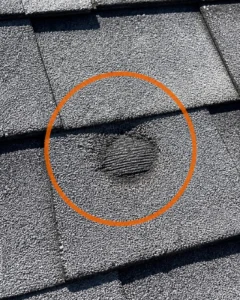
When a hailstone hits, it knocks granules off and fractures the fiberglass mat underneath. To the untrained eye, it’s just a dark spot. To an experienced DFW roofing contractor who knows the adjuster’s playbook, it’s a structural failure. If you see scattered dark circles on your roof after a storm, don’t wait — those bruises will become active leaks by the next rainfall.
This is also the point where having a contractor with an insurance claim background pays off. Jay’s experience as a former adjuster means every bruise and crease gets documented so you receive the full settlement you’re entitled to.
3. Curling or Buckling Shingles
Take a look at your roofline during the golden hour when the sun is low. Are the edges of the shingles turning upward (curling) or is the middle section rising (buckling)? This typically happens for two reasons:
- Age: The shingle has simply dried out.
- Poor Ventilation: If your attic is cooking your shingles from the inside out, they’ll buckle long before their 20-year warranty expires.
Either way, curling or buckling shingles in a DFW home are a clear signal that roof repair — or full replacement — is on the horizon.
4. Missing or Creased Shingles — Wind Damage
DFW wind doesn’t just blow shingles off — it creases them. High winds can lift a shingle, snap the adhesive seal, and bend it back. Even if it lays back down flat, that horizontal crease means the internal structure is broken. It will never seal properly again, and the next gust will send it into your neighbor’s yard.
5. Damaged or Rusted Flashing
Flashing is the metal material that directs water away from critical areas like chimneys, dormers, and vent pipes. In older Southlake and Colleyville homes, we regularly find original flashing that has begun to rust or pull away from the structure. If your flashing is compromised, it doesn’t matter how good your shingles are — water is getting in. At Rocking J, we treat flashing as a core part of every installation and get it right the first time.
6. Daylight in the Attic
This is the simplest test you can do yourself. Go into your attic on a bright day, turn off the lights, and look up. If you see even a pinprick of daylight through the roof boards, you have a problem.
Water follows light. If light can get in, a DFW thunderstorm will find its way in too. We’ve seen small punctures from fallen branches — easily missed from the ground — lead to over $10,000 in attic insulation and drywall damage because the homeowner didn’t catch it early.
7. Sagging Rooflines
If your roof has visible waves or a dip along the ridge line, treat it as a red alert. Sagging typically indicates long-term water damage that has rotted the decking or, worse, the rafters. This isn’t just a shingle issue — it’s a structural one. When Rocking J finds structural rot during a roof repair, we handle it on the spot. No waiting three days for a change order.
8. Moss, Mold, or Algae Growth
While DFW doesn’t have the humidity of East Texas, roofs in shaded areas can still develop moss or algae. Black streaks are usually algae and mostly cosmetic, but moss is a different story — it acts like a sponge, holding moisture against the shingle and causing the edges to rot. If you see greenery on your roof, it’s actively holding water against your home.
9. Interior Water Stains
If you notice brown stains on your ceiling or peeling paint in the corners of your rooms, water has already bypassed your shingles, underlayment, and decking, and is soaking into your drywall. The cost difference between acting now versus waiting is significant:
| Timing | Estimated Cost |
|---|---|
| Immediate roof repair | $450 – $900 |
| Waiting 6 months | $15,000+ (new roof + mold remediation + drywall + paint) |
10. The 20-Year Expiration Date
Most asphalt roofs in North Texas are rated for 20–30 years. But in DFW, roof years are like dog years. One major hailstorm is the equivalent of five years of normal wear. If your roof was installed before 2006 and hasn’t been replaced, it is statistically likely to fail during the next major weather event. Don’t wait for the storm to make the decision for you.
Why Rocking J Construction Is Your Roof Repair Advantage in DFW
We aren’t the biggest roofing firm in Texas — and we like it that way. Our size means when you call, you talk to someone who actually knows which street you live on in Grapevine.
Jay’s Adjuster Background: We speak the language of insurance companies. Every damaged shingle, bruise, and crease gets documented so you receive the full settlement you deserve — not what the adjuster decides to offer.
24/7 Availability: Storms don’t happen between 9 and 5. If a tree hits your roof at 2 AM, we are the team that answers.
Quality Over Volume. Always: We use higher-grade underlayment, architectural shingles built for the next decade of DFW weather, and precision flashing that we stand behind completely.
Frequently Asked Questions About Roof Repair in DFW
How do I know if my roof needs repair or full replacement?
A repair is usually sufficient for isolated damage — a few missing shingles, minor flashing issues, or a small leak. Replacement becomes the better investment when damage is widespread, the roof is over 20 years old, or multiple issues exist at once. A professional inspection will give you a clear answer.
Does homeowner’s insurance cover hail damage roof repair in Texas?
In most cases, yes — hail damage is a covered peril under standard Texas homeowner’s insurance policies. The key is proper documentation. Having a contractor with insurance claim experience, like Rocking J, ensures nothing gets missed when the adjuster comes out.
How much does roof repair cost in DFW?
Minor repairs typically run $450–$900. A full roof replacement in the DFW area generally ranges from $8,000–$18,000 depending on square footage, materials, and any structural repairs needed. Catching problems early almost always saves thousands.
How long does a roof repair take?
Most standard repairs can be completed in one day. A full replacement on an average DFW home typically takes two to three days depending on weather and complexity.
What roofing materials hold up best in North Texas?
We recommend architectural (dimensional) asphalt shingles rated for high-wind and impact resistance. Some homeowners in hail-prone areas of Colleyville and Southlake also opt for Class 4 impact-resistant shingles, which may qualify for an insurance discount.
Ready for a Free Roof Inspection?
Don’t wait for the ceiling to drip. Whether you need a simple roof repair or full storm damage restoration across DFW, Rocking J Construction manages the entire project from the first call to the final walkthrough — one point of contact, zero stress.
Contact Rocking J Construction today for a free, no-nonsense roof inspection. We’ll tell you exactly what’s happening up there — no sales pressure, just the facts.