


Key Takeaways
Adding a new bathroom is a significant home improvement project that can increase property desirability, though financial returns vary based on market conditions. Modern buyers prioritize functionality, quality materials, and efficient use of space over purely cosmetic updates.
- Adding a second bathroom significantly improves the resale potential of a home.
- Midrange additions generally offer more predictable returns compared to ultra-luxury projects.
- Strategic space planning, such as converting closets, minimizes structural costs.
- Professional craftsmanship ensures the durability and long-term appeal of your investment.
- Understanding local real estate trends helps avoid over-improving your property.
The estimated return on investment for bathroom additions
Determining how much value does adding a bathroom add to your property requires a realistic look at current housing trends. While the exact financial boost fluctuates based on local neighborhood demand, adding a functional bathroom remains one of the most effective ways to increase the overall utility of a home. Achieving a high ROI depends heavily on balancing the scope of the project with the typical home values in your specific area.
Understanding national averages for bathroom ROI
National data often highlights a split between midrange and upscale renovations. A midrange addition typically recoups a higher percentage of costs because it focuses on essential improvements rather than expensive, specialized finishes. Learning more about renovation costs helps homeowners set expectations before starting.
Regional differences in home value appreciation
Market demand varies wildly between urban centers and suburban outskirts. In competitive areas like the DFW metroplex, buyers often prioritize convenience and move-in-ready features. As noted by I Love My Bathroom!, a well-executed plan results in spaces that feel like retreats rather than just functional utilitarian rooms.
Comparing full bathroom additions versus half-bath additions
Adding a full bath requires space for plumbing, which makes it a more intensive project. Conversely, a half-bath can often fit into tighter footprints, providing a quick way to add utility without the full cost of a shower installation. The decision between the two often hinges on how much space you have available to plan your dream bathroom remodel.
Long-term versus short-term financial gains
While some homeowners look for an immediate bump in resale value, others prioritize the long-term enjoyment of their home. A Southlake bathroom remodel represents an investment that pays off both in daily comfort and future marketability once you decide to move on.
Primary factors that influence the value of a new bathroom
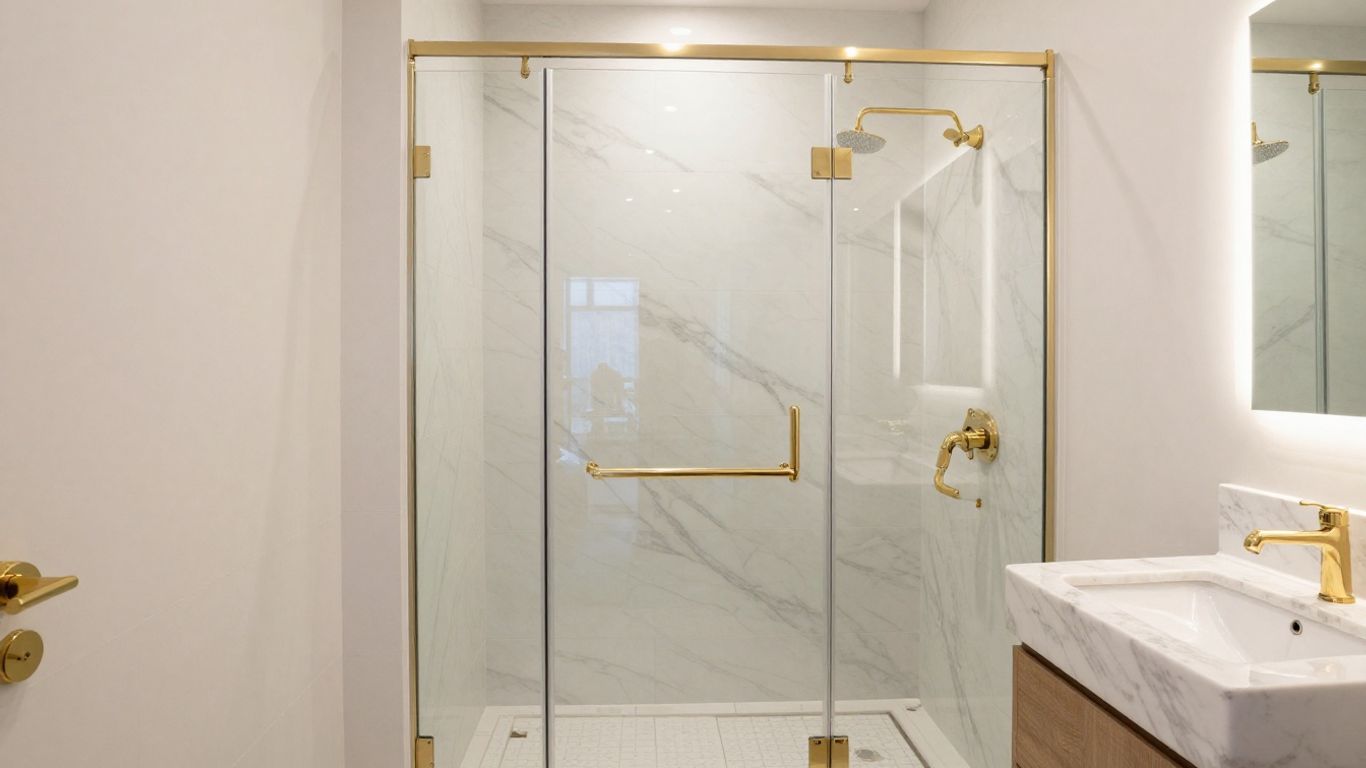
Creating a bathroom that truly benefits your home’s value involves careful consideration of layout and materials. Homeowners must weigh the benefits of high-end fixtures against the need for durable, low-maintenance surfaces. Prioritizing smart design choices ensures that the new space feels like an original part of your floor plan rather than an afterthought.
The importance of a master suite addition
Integrating a dedicated master suite creates a private sanctuary that appeals to serious buyers. This addition often commands a higher market premium compared to adding a tiny guest powder room, as it addresses a core need for home comfort and privacy.
Accessibility and universal design features
As families grow and seasons of life change, accessibility becomes a major selling point. Incorporating features like walk-in showers or grab bars during a tub-to-shower conversion makes a property more attractive to a broader range of buyers, including those planning to age in place.
Impact of bathroom count relative to the current floor plan
Moving from one bathroom to two is arguably the most impactful upgrade a homeowner can undertake. Adding that second bathroom eliminates morning bottlenecks in large households, which is a key benefit of adding a bathroom that appraisers and buyers take seriously.
Quality of materials and luxury versus budget finishings
The materials you select determine the longevity and visual impact of your new room. Investing in quality tile and fixtures prevents early wear and tear, and using premium stone and custom fixtures creates a luxurious atmosphere that justifies the initial construction costs when selling.
| Feature | Midrange Addition Cost | Upscale Addition Cost | Value Added |
|---|---|---|---|
| Basic Plumbing | $15,000 | $25,000 | Moderate |
| Custom Tile Work | $10,000 | $30,000 | High |
| Fixture Upgrades | $5,000 | $15,000 | Moderate |
Selecting the right balance ensures you don’t overspend relative to the value of surrounding properties.
Balancing construction costs with potential resale value
Managing the budget requires transparency and careful planning to avoid hidden expenses. Unexpected issues behind the walls or complex plumbing rerouting can quickly inflate a project, so professional guidance is always recommended. Finding the break-even point involves weighing the cost of materials against the potential for higher offers during listing.
Evaluating the cost of plumbing and utility relocation
Plumbing is the backbone of any bathroom addition. Moving existing pipes to accommodate a new room layout adds significant labor time, which should be included in your initial assessment phase to avoid budgeting pitfalls during your remodel.
Weighing the price of high-end fixtures against resale appeal
While high-end faucets and marble can make a design statement, they should align with the overall status of the neighborhood. Choosing finishes that complement the rest of the home adds consistency, which buyers prefer over disjointed, overly expensive additions.
Navigating permitting and inspection expenses
Every legitimate project requires permits to ensure safety and code compliance. Ignoring this step is the fastest way to derail a potential home sale later, as inspectors look for evidence of legal and permitted work throughout the home.
Calculating the break-even point for home improvements
To make a decision, compare current homes for sale in your area with and without a secondary bath. This comparison gives you a realistic view of the market value you are likely to capture by investing in a new bath.
Strategic placement and interior design planning
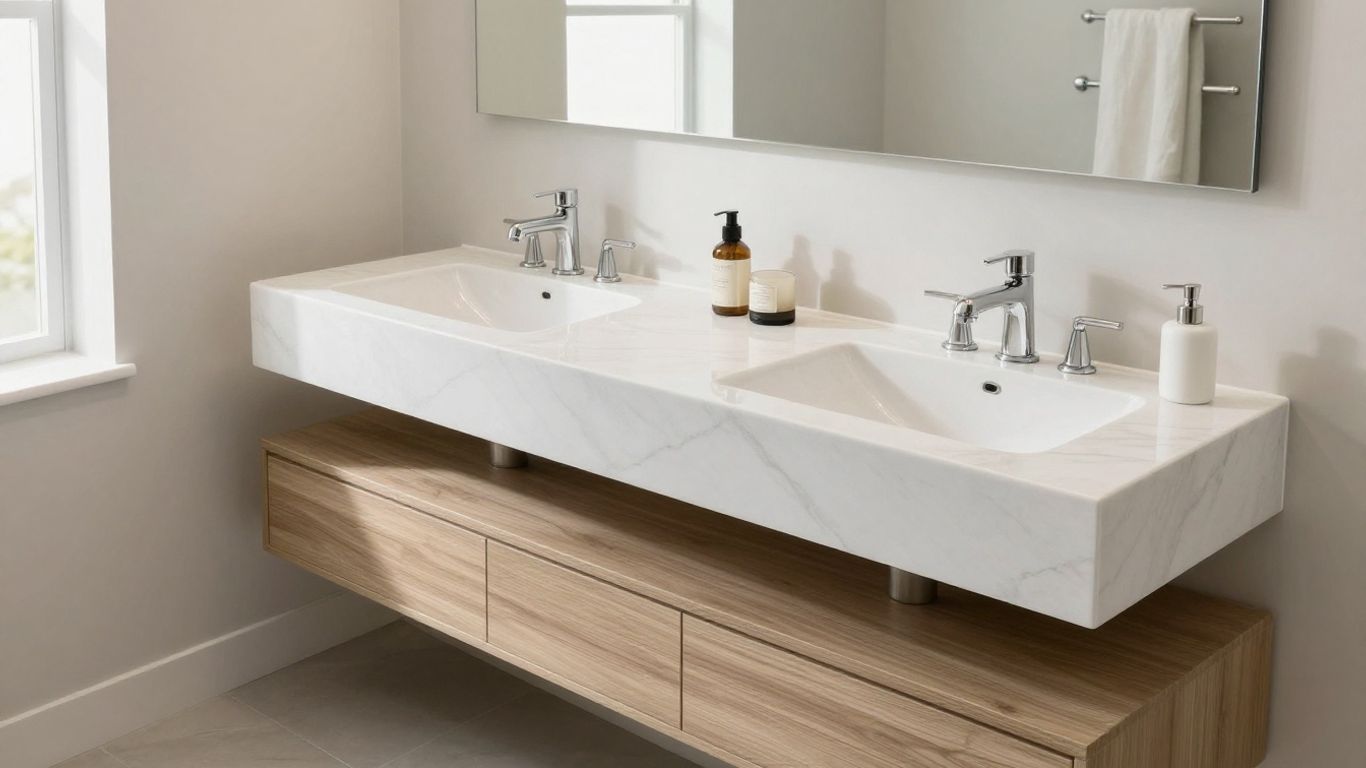
Strategic space usage differentiates an efficient bathroom from one that feels cramped or intrusive. Finding unused pockets in a home’s floor plan often leads to the most cost-effective solutions for expanding your living space.
Converting underutilized closets or storage space
Empty linen closets or oversized storage areas near HVAC units can often be repurposed. This approach minimizes the need for building new square footage and leverages existing infrastructure, which is a common strategy for creating luxury additions.
Seamless integration with existing home style
Your new bathroom should feel as if it was part of the original design. Using similar molding, wall colors, or tile themes throughout the home creates a cohesive flow that signals professional quality to future buyers.
Maximizing flow without compromising bedroom square footage
Careful layout planning protects the utility of your existing rooms while adding necessary function. Sometimes, moving a single wall by a few inches provides enough clearance for a vanity, effectively doubling the usefulness of a small area.
Professional layout tips for small-footprint bathrooms
Efficient design is not about having more space, but about making the existing space work harder. Focus on intuitive layouts, such as corner-entry showers or floating vanities that draw the eye’s path across the floor, to create a sense of expansion in a confined room.
Good floor planning keeps daily tasks move gracefully, allowing for a space that feels open and organized despite its footprint.
How real estate appraisers evaluate new bathrooms
Appraisers rely on objective data when determining how a home stacks up against local comps. They look for specific features that suggest a property is modern, well-maintained, and desirable to contemporary buyers. Ensuring your documentation clearly lists the improvements made to your home helps provide a complete picture of its assets.
The role of comparative market analysis in home valuation
Appraisers compare your square footage, bedroom count, and bathroom count to recently sold homes. If all homes in your range have two baths and yours only has one, you are likely missing out on potential valuation improvements.
Modern amenities that high-end buyers look for
Today’s buyers want walk-in capability, integrated lighting, and smart storage options. These amenities elevate a bathroom from a basic necessity into a valuable home feature that differentiates your listing.
Why an extra bathroom reduces time on market
A property that is easier to live in is almost always faster to sell. Having enough bathroom capacity for the number of residents is a major relief for families, leading to quicker offers.
Communicating renovations to future real estate agents
Documentation of your project, including permits and receipts, serves as proof of quality. Being able to explain why you upgraded the space adds a layer of transparency and professional care that agents appreciate when sharing details with potential buyers.
Pitfalls to avoid when adding a bathroom
When you start planning your renovation, keep in mind that the process requires careful attention to detail. Skipping steps in the planning stage can create problems that are expensive to fix later, decreasing the overall ROI of your investment.
Over-improving relative to neighborhood standards
Putting a high-end, gold-tiled spa in an area dominated by starter homes is usually a bad investment. You are likely to spend more than you will ever recoup, as prospective buyers will look for homes in more expensive neighborhoods if they want luxury features.
Sacrificing crucial storage or living area space
Avoid taking so much space from existing bedrooms that they become difficult to furnish. A home with three small bedrooms and a giant bathroom will likely sell for less than a home with three comfortable bedrooms and a perfectly sized bathroom.
Poor plumbing or structural workmanship
Using unlicensed labor or cutting corners on materials is a recipe for long-term failure, including leaks or mold. Quality work is always cheaper than a major repair after the home has been sold.
Neglecting ventilation and moisture-proofing needs
Bathrooms are high-humidity areas, and ventilation is a non-negotiable requirement. Proper exhaust systems keep the air fresh and prevent structural damage that occurs when moisture lingers in the wall cavities.
Conclusion
Adding a bathroom is a powerful way to enhance both the daily experience and the long-term value of your home, provided you align your goals with local market reality and prioritize quality. By focusing on efficient planning, durable materials, and thoughtful design, you can transform a once-lackluster floor plan into a functional, valuable asset. If you are ready to explore your options or simply need professional guidance on how to make the most of your space, please Get an Estimate to start your project with a team that values your vision and budget.
Frequently Asked Questions
Is it always financially beneficial to add a bathroom?
While adding a bathroom often increases the desirability of a home, financial return is determined by your local housing market. You must analyze housing prices in your specific area to ensure the cost of the project remains proportional to the gains.
Does a bathroom addition require significant structural changes?
It depends on the location of existing plumbing. Often, finding space near current water lines or under-used closet space minimizes structural complexity, though additions meant to expand the home’s exterior footprint are inherently more invasive.
How do I know if I have enough space for an extra bathroom?
Professional designers can look at existing floor plans to identify underutilized areas like large closets or pantry spaces that could accommodate a half or full bath, ensuring you do not compromise your home’s vital living area.
Why is ventilation so important in new bathrooms?
Proper ventilation prevents moisture buildup, which can lead to mold and rot. It is essential for protecting both the permanent structure of your home and the health of the indoor environment.
How long should a mid-sized bathroom addition take to build?
Typically, a full renovation or addition ranges from three to six weeks depending on the complexity of tile work, plumbing, and finishings required to complete the project to a high standard.
Can adding a bathroom really help a home sell faster?
Yes, an extra bathroom is often a deciding factor for families and larger households. Modern, functional homes that meet basic living requirements are naturally more competitive in a busy housing market.
Should I use high-end materials if I plan to sell soon?
It is better to prioritize high-quality yet versatile materials that appeal to a wide audience rather than niche luxury items. Quality is durable and recognized by buyers, while overly personalized designs may not have the same broad market appeal.